以成为数字领导者为目标,技术组织接受了敏捷开发和DevOps方法。大规模迁移到云端,将机器学习、人工智能和机器人流程自动化整合到现有的工作流程中,创造了新的效率,并迎来了新的"云第一、自动化第一"的架构战略。这一切都为新的数字工作场所技术奠定了基础,用以提供一流的员工体验。
来自能源、金融、时尚和车队管理领域的领先首席信息官讨论了他们如何改变其IT组织,为业务转型铺平道路。
在过去的两年里,每个IT领导者都必须提高他们的变革能力。但是,在应对破坏的能力和实现主动重塑的技能之间仍有明显的区别,而主动重塑正是IT支持的数字转型的定义。
后者需要的不仅仅是对不断变化的环境做出技术上的反应,而且还要有一个引领资本变革的战略——通常从IT组织本身开始。能够指导这种人员、流程和技术转型的IT领导者的价值从未如此之大。
随着对IT变革代理人角色的需求变高,CIO.com采访了四位监督多年变革的IT领导人,了解他们的挑战、回报和经验教训。
一、商家车队:从订单接受者到高速增长的合作伙伴
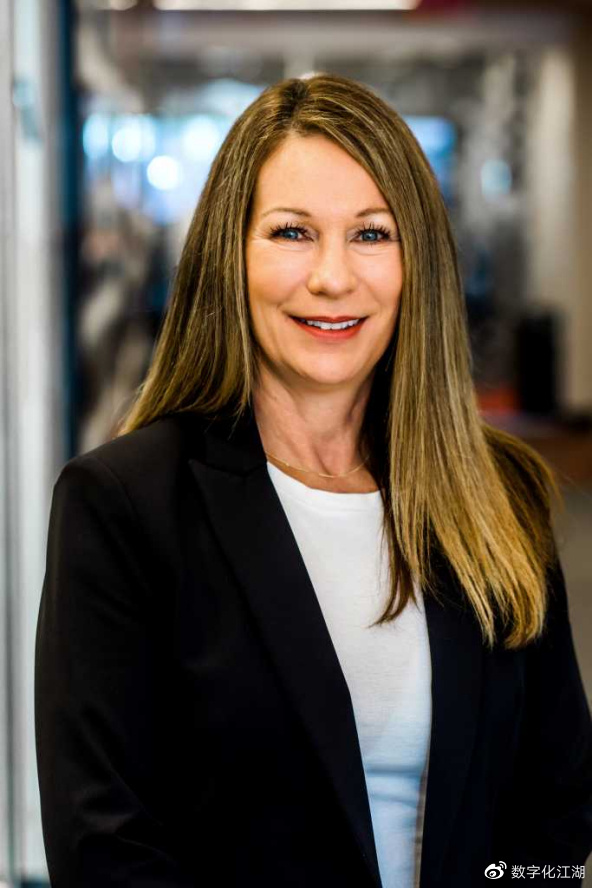
Jeanine L. Charlton,商船队高级副总裁兼CTDO
当Brendan Keegan接任北美发展最快的车队技术公司的首席执行官时,他就知道自己需要一个新的技术领导者和未来的战略。
Jeanine L.Charlton在Merchant's Fleet担任董事会顾问六个月,之后于2018年6月同意担任高级副总裁兼首席技术和数字官。
Charlton有她的工作要做。该公司正在飞速发展,而它的IT组织以其瀑布式的方法,是没有能力跟上步伐的。
以敏捷转型为目标,Charlton从新的IT组织模式开始变革。"IT不仅仅是让技术团队就位,"她解释道。"IT就是要与关键利益相关者保持一致,并让这些业务合作伙伴了解他们需要扮演的角色。"她开始每季度举办一次论坛,解释敏捷以及业务在其中将扮演的角色。在转型的第一阶段,Charlton在业务方面建立了产品所有者,并建立了新的治理模式,包括商业投资委员会。
Charlton说:"我们面临的挑战是:公司发展如此之快,并且在业务方面和技术方面进行了巨大的转型变革。对我来说,好消息是我们的CEO非常精通技术,所以我们有CEO级别的支持。这是一个让管理团队的其他成员和他们下面的领导团队加入的问题。"
Charlton说,Charlton还合理化了公司的IT服务组合,并将这项工作转移到海外,从而节省了大量资金,并"推动了我所说的公司运营规模"。华东CIO大会、华东CIO联盟、CDLC中国数字化灯塔大会、CXO数字化研学之旅、数字化江湖-讲武堂,数字化江湖-大侠传、数字化江湖-论剑、CXO系列管理论坛(陆家嘴CXO管理论坛、宁波东钱湖CXO管理论坛等)、数字化转型网,走进灯塔工厂系列、ECIO大会等
第二阶段的重点是加速数字化转型,以跟上公司40%的有机收入增长。查尔顿与一支由商业领袖组成的跨职能团队制定了一项三年计划。"就它在整个公司建立的一致性而言,这是我见过的最好的一次,"技术服务行业的资深人士Charlton说。Merchant's Fleet已经成为一家车队技术公司,而不仅仅是一家车队管理公司,在过去三到四年中建立了几家新业务。
"我们是一家有60年历史的私营企业,但我们一直愿意做出大胆的行动,并作为一家初创企业行事,"查尔斯顿说。"大多数车队管理公司在COVID期间决定不为增长提供资金。但我们想出了办法。当其他企业看到增长下降时,我们加快了我们的增长"。
经验教训:领导变革并不容易,查尔顿承认:"不要相信任何告诉你改变的人。但是,成为一名成功的变革推动者是您作为首席信息官可以拥有的最令人满意的角色之一。"作为技术领导者,您可以看到整个企业的一切。你是可以把所有东西整合在一起的粘合剂,"Charlton说,他建议IT领导者不要低估他们的力量,并倡导他们去了解有可能的转型。"你能产生的影响是如此之大。加入进去,让你的声音被听到,"查尔顿说。"那就让结果自己说话吧
二、标普全球:当经验成为转型指标时
五年多前,当标普全球发布其新品牌时,它标志着这家信息和分析公司有了更明确的目标——技术组织将在其中发挥主要作用。"当我们明确了我们的使命和目的,"标普全球执行副总裁兼首席信息官Swamy Kocherlakota说,"我们同时转变了我们的技术和文化。"
以成为数字领导者为目标,技术组织接受了敏捷开发和DevOps方法。大规模迁移到云端,将机器学习、人工智能和机器人流程自动化整合到现有的工作流程中,创造了新的效率,并迎来了新的"云第一、自动化第一"的架构战略。这一切都为新的数字工作场所技术奠定了基础,用以提供一流的员工体验。
虽然需要新的技术和流程,但它们几乎不足以改变IT组织和更大的业务。"更重要的是,我们带着我们的员工一起踏上了这段旅程,"Kocherlakota说。"我们知道,要使技术和我们的员工产生最大的综合影响,我们所有的员工都需要成为自己的技术人员。"该公司的EssentialTECH计划利用内部和第三方课程,为所有员工(而不仅仅是技术角色的员工)创造了机会,以扩展他们的技术流利程度和技能。
如今,大约84%的S&P Global工作负载都在云中,因此它在推出新产品和服务方面实现了更快的速度和敏捷性,并减少了客户的延迟。该公司还通过其灵活的分销策略和商业技术转型增强了客户体验。Kocherlakota说,这些数字工作场所工具成为员工应对COVID-19大流行的远程工作能力的基础,并在混合工作模式下无缝操作。
"总而言之,我们全面改善了所有这些利益相关者群体的体验,这是也最终的转型目标,"他说。"对于任何与我们的技术和产品互动的利益相关者来说,我们衡量成功的标准是他们体验的无缝性和效率。
展望未来,信息技术的变化将继续使公司能够获得支撑快速成功,或快速失败并调整。"市场在变化,客户需求在变化,利益相关者的期望在变化,"科切拉科塔说。"我们需要保持灵活,同时在内部变化和时代变化中保持我们的生产力水平的可持续性。我们的转型之旅使我们完全有能力做到这一点"。
经验教训:管理大师彼得·德鲁克(Peter Drucker)有一句名言:文化以战略为早餐。不过,如果你问Kocherlakota,那就是执行力在早餐时吃掉了战略。"衡量承诺和交付差距的清晰度是关键,"Kocherlakota说。"对于每一项举措,我们都有活动、领先指标和滞后指标。
另一个关键的学习是利用员工能量的力量。"通常,我认为技术人员将内部文化视为一种挑战。但是,我们在目标和文化方面的同时投资,以及我们对敏捷流程和员工学习的关注,帮助我们将员工与我们一起将技术视为我们业务的基础能力,"Kocherlakota说。"结果是一个专注于交付和执行的敏捷企业-——本身就是一种转型。
三、挂毯:当技术不仅仅是推动者时
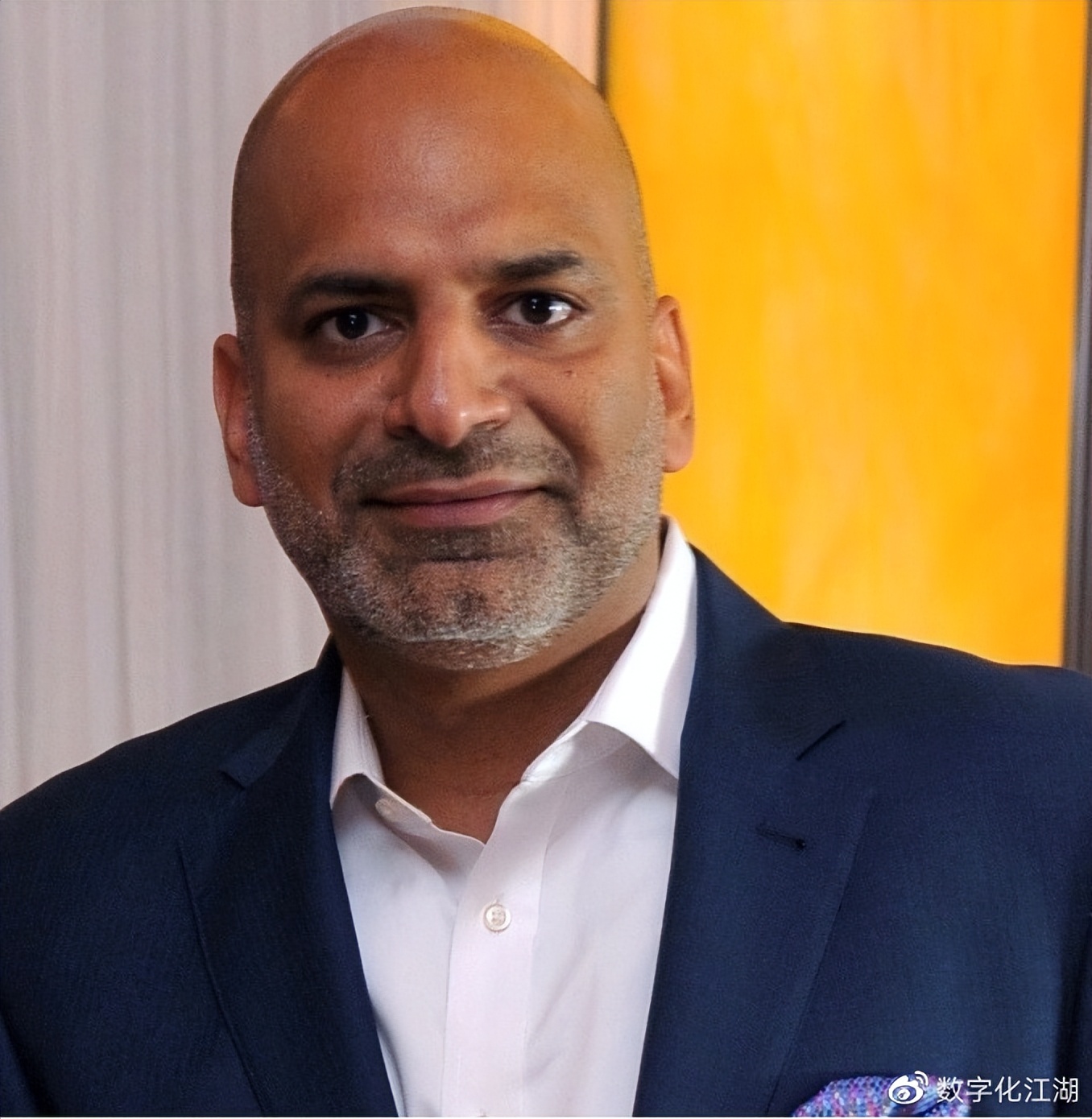
Ashish Parmar, CIO, Tapestry
在过去的两年里,Tapestry——Coach、Kate Spade和Stuart Weitzman等奢侈品牌的母公司一直致力于变得更加以客户为中心、数据驱动和响应迅速。IT组织是所有这三个方面的关键推动者。
"为了做到这一点,我们正在利用我们的基础数字核心以及构建的新功能,以产生更深入的见解,为我们的行动提供信息,并为我们的品牌建立一个同类最佳的平台,"Ashish Parmar说,他在COVID-19大流行的最初几周接任首席信息官。"技术是这一旅程的核心,不仅是推动者,而且是释放为我们的员工,品牌和利益相关者提供所需的核心能力的关键基础组成部分。
为了帮助Tapestry实现其目标,IT部门制定了四项运营原则:通过商业环境视角看待一切,重点关注执行,以重要的速度运营(缩短关键成果的价值实现时间),专注于那些为业务及其客户创造最大价值的领域并表现出色,并与企业建立沟通,协作和共享成果的文化。
这些指导方针在特别困难的时期有所帮助。Parmar说:"过去两年来,我们面临的最大挑战之一是帮助我们的团队应对不确定性和需求变化。"随着业务优先事项的发展,我们不断专注于与团队建立信任,并与内部合作伙伴建立新的关系。
Tapestry的IT团队已转向云优先方法和多云战略,以利用弹性和规模、合理化应用程序、消除本地数据中心、实现更快的构思和创新,并创造更好的客户体验。该公司还采用了新的数据和分析平台,该平台支撑了2021财年400万新客户的招聘和三位数的数字增长。
虽然技术一直是基础,但真正的力量倍增器是人,Parmar说,他的职业生涯始于二十多年前,当时他是Coach品牌的入门级分析师。"与如此出色的人合作确实是一种荣幸,因为我们都在努力扩大可能性,"Parmar说。"像许多组织一样,我们的团队必须保持敏捷,改变我们的合作方式。凭借我们核心基础设施的优势以及与业务团队的强大合作伙伴关系,我们能够快速调整并利用在这种充满挑战的环境中脱颖而出。
经验教训:IT领导者的角色是帮助他们的团队舒适地承担风险并从失败中吸取教训。Parmar说:"在做决策时,要对固有的二元性感到满意——创新并非没有风险。"允许球队抓住机会,当这些尝试失败时,他们没事;然而,挖掘这些作为学习。我们有责任指导我们的团队完成这些笨拙的事情,并帮助他们获得学习。华东CIO大会、华东CIO联盟、CDLC中国数字化灯塔大会、CXO数字化研学之旅、数字化江湖-讲武堂,数字化江湖-大侠传、数字化江湖-论剑、CXO系列管理论坛(陆家嘴CXO管理论坛、宁波东钱湖CXO管理论坛等)、数字化转型网,走进灯塔工厂系列、ECIO大会等
四、阿梅伦:去工作所在的地方
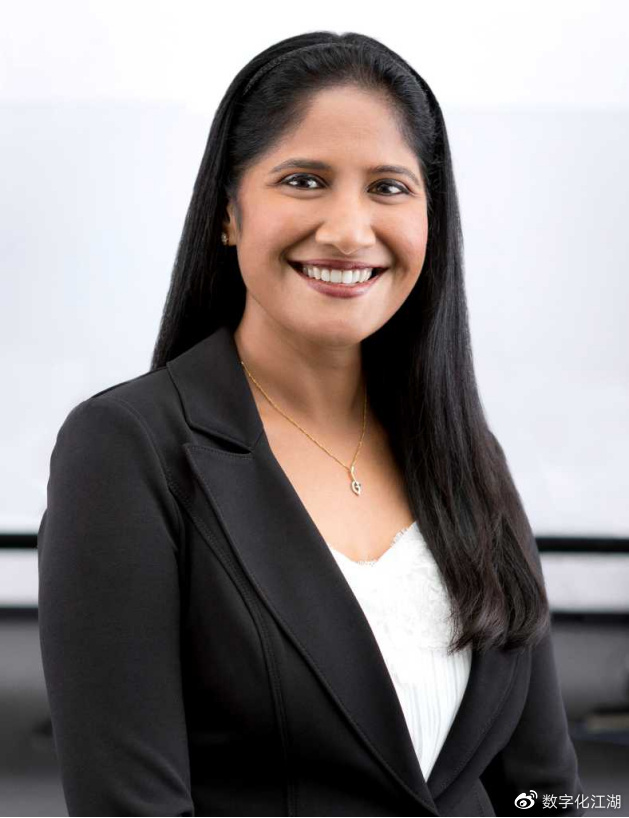
Bhavani Amirthalingam, CDIO, Ameren
总部位于圣路易斯的Ameren公司拥有240万电力客户,超过90万天然气客户,以及数百万的连接设备。作为首席数字信息官,Bhavani Amirthalingam自2018年以来一直在领导其数字转型,旨在推动为客户提供更好的服务和该电网的可靠性。
"我们正在进入转型的第五个年头,我们的转型开始于对客户和同事的体验进行改造和数字化,同时实现未来的电网,"Amirthalingam解释道。
客户是Ameren公司业务战略的中心,因此,随着他们的期望的发展,公司的数字业务模式也必须如此。提供无缝、安全、个性化的数字客户体验是IT战略的关键部分,包括智能电表的实施、能源使用监测、无摩擦的网络和移动互动、增强的互动语音响应,以及让我们的客户在他们选择的渠道中参与。2021年,Ameren公司79%的客户互动都是以数字方式进行的。
该公司和Amirthalingam认为电网是为客户创造价值的中心。"建设通信基础设施、分析和自动化以支持智能、连接、可靠和安全的电网是一个关键的优先事项,"Amirthalingam说。"可再生能源的增长和促进能源双向流动的需求需要部署分布式能源资源管理技术"。
员工体验也是一个关键的重点。"我们正在通过提供正确的技术,使我们的同事能够随时随地在办公室、远程、现场和能源中心的任何设备上工作,完成他们一生中最好的工作,"Amirthalingam说。这需要重新思考许多后台功能、流程和跨业务职能的系统。
正在进行的数字工作有一个统一的主题,即改善电网以及客户和员工体验。"Amirthalingam说:"'到正在进行工作的地方去'并将客户置于任何转型的中心,是推动成功结果的关键。"这种方法有助于了解真正的业务需求或挑战,同时也使其他人加入进来。
经验教训:跨越业务部门和客户群体的跨职能团队推动数字化转型。Amirthalingam重视高绩效、被授权和自我驱动的团队,并倾向于采取行动。"她说:"将持续创新和改进的心态带入转型是关键。
开放性也是一种美德。"Amirthalingam说:"昨天的'惊叹'就是今天的'规范'。"重要的是,要带着学习的好奇心、勇气和开放的心态来对待各种情况,以不同的方式解决问题。"
原文:
Over the past two years, every IT leader has had to up their change game. But a clear distinction remains between the ability to respond to disruption and the skills that enable the kind of proactive reinvention that defines IT-enabled digital transformation.
The latter requires not simply a technology-enabled reaction to shifting circumstances, but a strategy for spearheading capital-C change — most often beginning with the IT organization itself. The value of IT leaders who are able direct such transformation of people, processes, and technologies has never been greater.
[
Learn from your peers: Check out our State of the CIO report on the challenges and concerns of CIOs today. | Find out the 7 skills of successful digital leaders and the secrets of highly innovative CIOs.
]
With the role of IT change agent in high demand, CIO.com spoke to four change-enabling IT leaders overseeing multiyear transformations about the challenges, rewards, and lessons learned.
Merchant’s Fleet: From order taker to hypergrowth partner
When Brendan Keegan took over as CEO of the fastest-growing fleet technology company in North America, he knew he needed a new technology leader and strategy for the future.
Jeanine L. Charlton began her work with Merchant’s Fleet as a board advisor for six months before agreeing to take on the role of senior vice president and chief technology and digital officer in June 2018.
Jeanine L. Charlton, SVP and CTDO, Merchant’s Fleet
Merchant’s Fleet
Charlton had her work cut out for her. The company was growing by leaps and bounds. Its IT organization, with its waterfall approach, was ill-equipped to keep pace.
With a goal of agile transformation, Charlton began with a new IT organizational model. “IT was about more than just getting the technology team in place,” she explains. “IT was about getting alignment with key stakeholders and getting those business partners to understand the role that they needed to play.” She began to hold quarterly forums explaining agile and the role the business would play in it. During this first phase of transformation, Charlton put in place product owners on the business side and built a new governance model, including a business investment council.
“The challenge was that the company was growing so fast and making big transformational change on the business side as well as the technology side,” says Charlton. “The good news for me was that our CEO was very tech savvy and so we had that CEO-level support. It was just a matter of getting rest of management team and the leadership team below them on board.”
Charlton also rationalized the company’s IT services portfolio and moved that work offshore, creating significant savings and “driving what I call operational scale for the company,” Charlton says.
Phase two focused on accelerating digital transformation to keep up with the company’s organic 40% top line growth. Charlton created a three-year plan with a cross-functional team of business leaders. “It’s one of the best I’ve seen in terms of the alignment it has created across the company,” says Charlton, a veteran of the tech services industry. Merchant’s Fleet has emerged as a fleet technology company rather than simply a fleet management company, standing up several new businesses over the past three to four years.
“We’re a 60-year-old privately held business but we’ve been willing to make bold moves and act as a startup,” Charleston says. “Most fleet management companies decided not to fund growth during COVID. But we said nonsense and leaned in and figured out how to do it. As other saw a decline in growth, we accelerated our growth.”
Lessons learned: Leading change isn’t easy, Charlton admits: “Don’t believe anyone who tells you it is.” But being a successful change agent is one of the most gratifying roles you can have as a CIO. “As a tech leader, you see everything across the enterprise. You’re the glue that can bring it all together,” says Charlton, who advises IT leaders not to underestimate their power and to advocate for the transformations they know are possible. “The impact you can have is so significant. Lean in and let your voice be heard,” Charlton says. “Then let the results speak for themselves.”
S&P Global: When experience is the transformation metric
When S&P Global unveiled its new brand more than five years ago, it signaled a clearer purpose for the information and analytics firm — one in which the technology organization would play a primary role. “As we crystallized our mission and purpose,” says Swamy Kocherlakota, executive vice president and CIO for S&P Global, “we transformed our technology and our culture in parallel.”
With the goal to emerge as a digital leader, the technology organization embraced agile development and a DevOps approach. A large-scale migration to the cloud, integrating machine learning, artificial intelligence, and robotic process automation into existing workflows created new efficiencies and ushered in its new “cloud-first, automation-first” architecture strategy. This all created a foundation for new digital workplace technologies to provide a best-in-class employee experience.
Swamy Kocherlakota, EVP and CIO, S&P Global
S&P Global
While new technology and processes were required, they were hardly sufficient to transform the IT organization and the greater business. “Critically, we brought our employees along with us on this journey,” says Kocherlakota. “We know that for technology and our employees to have the greatest combined impact, all of our people needed to be technologists in their own right.” The company’s EssentialTECH program, which leverages internal and third-party courses, created opportunities for all employees — not just those in technical roles — to expand their technology fluency and skills
Today, some 84% of S&P Global workloads are in the cloud, enabling greater speed and agility in launching new products and services and reducing latency for customers. The company has also enhanced its customer experience through its flexible distribution strategy and a commercial technology transformation. Those digital workplace tools became foundational to employees’ ability to work remotely in response to the COVID-19 pandemic and to operate seamlessly in a hybrid work model, Kocherlakota says.
“Taken together, we’ve improved the experience across the board, for all these stakeholder groups, the ultimate transformation goal,” he says. “For any stakeholder that interacts with our technology and offerings, our measure of success is the seamlessness and efficiency of their experience.”
Looking forward, the changes in IT will continue to enable the company to pivot and quickly succeed or fail fast and adjust. “Markets are changing, customer needs are changing, and stakeholders’ expectations are changing,” Kocherlakota says. “We need to stay nimble while keeping our productivity levels sustainable during both internal change and changing times. Our transformation journey has us well positioned to do just that.”
Lessons learned: Management guru Peter Drucker famously said that culture eats strategy for breakfast. If you ask Kocherlakota, though, it’s execution that eats strategy for breakfast. “Clarity in measuring promise-and-delivery gaps is key,” Kocherlakota says. “For every initiative, we have activities, leading indicators, and lagging indicators.”
Another key learning is the power of harnessing the energy of your people. “Often, I think technologists cite internal culture as a challenge. But our simultaneous investments in purpose and culture, alongside our focus on agile processes, and employee learning, has helped us bring our workforce along with us in seeing technology as a foundational capability for our business,” says Kocherlakota. “The result is an agile enterprise focused on delivering and execution — in itself is a transformation.”
Tapestry: When technology is more than an enabler
For the past two years, Tapestry — the parent company of luxury brands such as Coach, Kate Spade, and Stuart Weitzman — has been on a mission to become more customer-centric, data-driven, and responsive. The IT organization is the key enabler on all three fronts.
“To do this we are leveraging both our foundational digital core as well as building out new capabilities to yield greater insights, inform our actions, and build a platform that is best in class for our house of brands,” says Ashish Parmar, who took over as CIO in the early weeks of the COVID-19 pandemic. “Technology is at the heart of that journey, not just as an enabler, but as a key foundational component to unlock core capabilities needed to deliver for our people, our brands, and our stakeholders.”
Ashish Parmar, CIO, Tapestry
Tapestry
To help Tapestry achieve its goals, IT developed four operating principles: To view everything through commercial context lens with a strong focus on execution, to operate at a speed that matters (shrinking time to value for key outcomes), to focus on and excel in those areas that generate the most value for the business and its customers, and to establish a culture of communication, collaboration, and shared outcomes with the business.
Those guidelines have helped during a particularly difficult time. “One of our biggest challenges over the past two years has been helping our teams navigate uncertainty and shifts in demand,” Parmar says. “We are constantly focused on building trust with our teams and forging new relationships with our internal partners as business priorities evolve.”
Tapestry’s IT group has shifted to a cloud-first approach and multicloud strategy to take advantage of elasticity and scale, rationalized applications, eliminate on-prem data centers, empower faster ideation and innovation, and create a better customer experience. The company also adopted a new data and analytics platform, which underpinned the recruitment of 4 million new customers in fiscal year 2021 and triple-digit digital growth.
While technology has been fundamental, the true force multiplier is people, says Parmar, who began his career as an entry-level analyst for the Coach brand more than twenty years ago. “It is indeed a privilege to partner with such amazing individuals as we all work to stretch what’s possible,” Parmar says. “Like many organizations, our teams have had to be agile, shifting how we work together. With the strength of our core infrastructure and strong partnerships with business teams, we were able to pivot quickly and leverage the capabilities needed to excel in this challenging environment.”
Lessons learned: It’s IT leaders’ role to help their teams comfortably takes risks and learn from failure. “Be comfortable with the inherent duality that exists when making decisions — innovation doesn’t come without risk,” says Parmar. “Allow the teams to take chances and be okay when those attempts fail; yet mine these for learnings. It is our responsibility to coach our team through these fumbles and help them gain learning as a result.”
Ameren: Going where the work Is
St. Louis-based Ameren has 2.4 million electric customers, more than 900,000 natural gas customers, and millions of connected devices. As chief digital information officer, Bhavani Amirthalingam has been leading its digital transformation since 2018 aimed at driving ever better service for customers and reliability of that grid.
“We are entering the fifth year of our transformation that began as a journey to transform and digitize our customer and coworker experience while enabling the grid of the future,” Amirthalingam explains.
Bhavani Amirthalingam, CDIO, Ameren
Ameren
Customers are at the center of Ameren’s business strategy, and so as their expectations evolve, so too must the company’s digital business model. Providing a seamless, secure, personalized digital customer experience is a key part of IT’s strategy, including smart meter implementation, energy usage monitoring, frictionless web and mobile interactions, enhanced interactive voice response, and engaging our customers in the channel of their choice. In 2021, 79% of Ameren’s customer interactions were digitally enabled.
The company and Amirthalingam see the grid is the center of value-creation for our customers. “Building the communications infrastructure, analytics and automation to support the smart, connected, reliable, and secure grid is a key priority,” Amirthalingam says. “The growth in renewable energy sources and the need to facilitate two-way flow of energy requires the deployment of distributed energy resource management technologies.”
The employee experience is also a key focus. “We are enabling our co-workers to do the best work of their lives by providing the right technology to work anytime, anywhere, on any device in our offices, remotely, in the field, and energy centers,” Amirthalingam says. That’s required rethinking many back-office functions, processes, and systems across business functions.
There is a unifying theme across the digital work being done to improve the grid as well customer and employee experiences. “‘Going to where the work is being done’ and keeping the customer at the center of any transformation has been key to driving successful results,” Amirthalingam says. “This approach has helped understand the real business need or challenge, while also bringing others along.
Lessons learned: Cross-functional teams that span business segments and customer groups drive digital transformation. Amirthalingam values high-performing, empowered, and self-driven teams with a bias for action. “It is key to bring a mindset of continuous innovation and improvement to transformation,” she says.
Openness is also a virtue. “Yesterday’s ‘wow’ is today’s ‘norm’,” says Amirthalingam. “It’s important to approach situations with a curiosity to learn, courage, and an open mind to solving for problems differently.”
本文主要内容转载(或原作者)出自Stephanie Overby ,仅供广大读者参考,如有侵犯您的知识产权或者权益,请联系我提供证据,我会予以删除。
CXO联盟(CXO union)是一家聚焦于CIO,CDO,cto,ciso,cfo,coo,chro,cpo,ceo等人群的平台组织,其中在CIO会议领域的领头羊,目前举办了大量的CIO大会、CIO论坛、CIO活动、CIO会议、CIO峰会、CIO会展。如华东CIO会议、华南cio会议、华北cio会议、中国cio会议、西部CIO会议。在这里,你可以参加大量的IT大会、IT行业会议、IT行业论坛、IT行业会展、数字化论坛、数字化转型论坛,在这里你可以认识很多的首席信息官、首席数字官、首席财务官、首席技术官、首席人力资源官、首席运营官、首席执行官、IT总监、财务总监、信息总监、运营总监、采购总监、供应链总监。
数字化转型网(资讯媒体,是企业数字化转型的必读参考,在这里你可以学习大量的知识,如财务数字化转型、供应链数字化转型、运营数字化转型、生产数字化转型、人力资源数字化转型、市场营销数字化转型。通过关注我们的公众号,你就知道如何实现企业数字化转型?数字化转型如何做?
【CXO UNION部分社群会员】603099长白山CDO、603100川仪股份CDO、603101汇嘉时代CDO、603103横店影视CDO、603105芯能科技CDO、603106恒银科技CDO、603108润达医疗CDO、603109神驰机电CDO、603110东方材料CDO、603111康尼机电CDO、603112华翔股份CDO、603113金能科技CDO、603115海星股份CDO、603116红蜻蜓CDO、603117万林物流CDO、603118共进股份CDO、603121华培动力CDO、603123翠微股份CDO、603126中材节能CDO、603127昭衍新药CDO、603128华贸物流CDO、603129春风动力CDO、603131上海沪工CDO、603133碳元科技CDO、603136天目湖CDO、603138海量数据CDO、603139康惠制药CDO、603155新亚强CDO、603156养元饮品CDO、603157拉夏CDO、603158腾龙股份CDO、603159上海亚虹CDO、603160汇顶科技CDO、603161科华控股CDO、603165荣晟环保CDO、603166福达股份CDO、603167渤海轮渡CDO、603168莎普爱思CDO、603169兰石重装CDO、603171税友股份CDO、603177德创环保CDO、603178圣龙股份CDO、603179新泉股份CDO、603180金牌厨柜CDO、603181皇马科技CDO、603183建研院CDO、603185上机数控CDO、603186华正新材CDO、603187海容冷链CDO、603188亚邦股份CDO、603189网达软件CDO、603192汇得科技CDO、603195公牛集团CDO、603196日播时尚CDO、603197保隆科技CDO、603198迎驾贡酒CDO、603199九华旅游CDO、603200上海洗霸CDO等