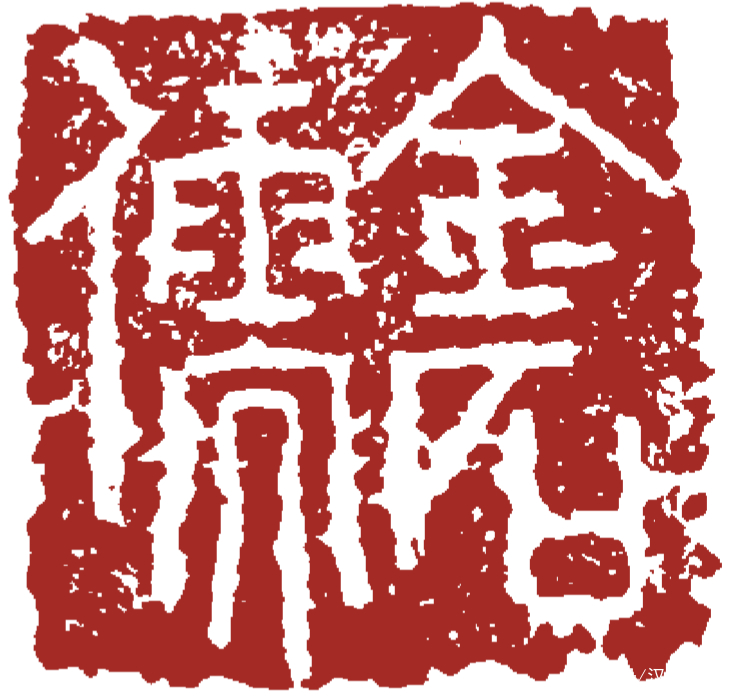

金石儒
Jin Shi Ru, A Confucian Who Loves Calligraphy and Seal Carving
生于勤,长于智,立于信,起于诚(仁、义),达于礼,乐于艺
Start from diligence, develop wisdom, stand on faith, flourish in honesty (benevolence and justice), be happy with art and get dignity in rituals.
长卷行书《圣地放歌集》
纵35厘米 横100厘米
“The Songs of the Holy Land” Long Scroll in Running Script
Length: 35 cm, Width: 100 cm

释文:
八月中秋月光明 吾乡正是高粱红 新酒酿成我先饮 不觉醉倒小桥东 国学大家扬国粹 雅涵于乐在辟雍 一绺阳光射下来 万众同唱欢乐颂

Interpretation:
The August mid-autumn moon shines brightly
The sorghum in my home town became red
The newly brewed wine I’m the first one to taste
The man unwittingly drunk leans on the east bridge
The great master spreads Chinese civilization honorably
Indulged in the fun of lecturing at Biyong(1) gracefully
A ray of sunshine shoots down happily
The whole crowd sings “Ode to Joy” accordingly
Reference:
(1) Biyong辟雍 was built in the 48th year of Qing Qianlong (AD1783) and completed in the next year. It is the central architecture of Imperial Academy and the only existing palace for the emperor giving lectures.
Biyong’s辟雍 architectural structure is in line with the rituals of Zhou dynasty, surrounded by a round pool. It is called “Biyong surrounded by water”. “Bi辟” means “jade with a hole in the center” and “Yong雍” refers to a water pool. “Biyong辟雍” means a highland in water that looks like a mild jade.
The design of Biyong辟雍 in Imperial Academy reflects the designer’s “innovation in ancient style and practical style”. The water drawn from underground is injected into the pool while the four broad stone bridges, that go across the water, are built in four directions – one towards each of the four gates. They are artistic and practical, therefore they express the distinct style of Biyong辟雍. Meanwhile, it gives an implied meaning: the emperor “gives a lecture at Biyong辟雍”, his ministers and masses on the bridge listen to him; the civilization is being spread along the flowing water to benefit all people in the world.
道生吴志友于【大美寻源——吴悦石莫言杨华山翰墨三人行】国子监首展开幕致辞时引莫言诗并步韵和成此诗道出展览意义及期盼并抒观感 丁酉立冬湘君书
When the first exhibition of "The Great Beauty Seeks its Source -- Three Brush and Ink Company by Wu Yueshi吴悦石, Mo Yan 莫言and Yang Huashan杨华山" was held at the Imperial College Museum, Mr. Wu Zhiyou吴志友, whose pen name is Daosheng道生, gave a speech at the opening ceremony. He quoted Mo Yan's莫言 verse and wrote the above poem with rhyme to express the significance of this exhibition, his expectations and his feelings during the visit.
Calligraphy: written by Xiangjun in winter, 2017

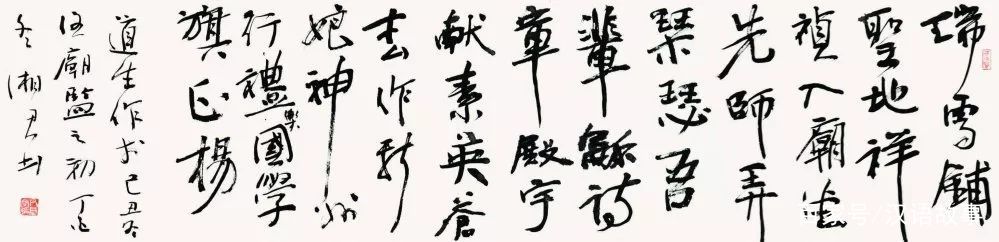
《圣地瑞雪》
瑞雪铺圣地 祥祯入庙堂 先师弄琴瑟 吾辈和诗章 殿宇献素英 苍松做新娘 神州行礼乐 国学旗正扬
"Blessed is the Snow that Falls on the Holy Land"
Blessed is the Snow that falls on the Holy Land
Promising is the omen that comes to the state
Bright is the music that’s played by the master of the past
Beautiful are the poems that were written by us, lads
White is the robe that covers the grand palace
Green is the Pine that marries like a bride
Excellent is the traditional culture that revives all over China
Flying high is the banner that promotes National Studies
道生作于已丑冬任庙监之初 丁酉冬湘君书
Daosheng wrote the poem in the winter of 2009, when he began to be in charge of the Confucius Temple and Imperial College Museum.
Calligraphy:written by Xiangjun in winter, 2017


《孔庙藤萝詠》
道生吟
孔庙紫藤萝 百岁绕千秋 圣地添美景 *光春**不久留
其一 (闲得) 作于甲午仲春吉日
藤萝花开岁岁奇 圣地幽香沁心脾 先贤儒者何处去?诗书礼乐化梦里
其二 (闲得) 作于乙未仲春
圣地紫藤花初绽 吐穗梳妆更芬芳 庙堂岁岁花相似 人间过客几多知
其三 (闲得) 作于丙申仲春
道生作于丙申暮春吉日
藤萝花开不久长 脱去娇容换绿装 众生多羡花红美 哪知绿叶更安康 仲尼为官尚四载 建功隳都未成相 列国周游尽磨难 衰年著述古流芳
其四 闲得雅嘱 湘君书
"Ode to the wisteria within the Confucius Temple"
By Daosheng
Blooming is the wisteria within the Confucius Temple
Twisting is the hundred-year-old growth around a thousand years
Pleasing is the scenery added to the sacred fields
Staying not long is the bright sunshine in Spring
The First one (obtained in the leisure time)
Written during spring on an auspicious date in the second lunar month of 2014
The wisteria flowers bloom gloriously every year
The fragrance in sacred fields refreshes the mind everywhere
Where are the sages and the Confucian masters?
Their spirits live forever in the cultural dream of Poetry, Literature, Manner and Music
The Second one (obtained in the leisure time)
Written during spring in the second lunar month of 2015
Holy Land’s wisteria flowers are just beginning to bloom
Blossom beauties are dressing up fragrant grain earrings
Holy temple’s flowers are all beautiful like every year
Few are Blossom Friends in the world’s passing travelers
The Third one (obtained in the leisure time)
Written during spring in the second lunar month of 2016
Daosheng wrote the poem below during spring on an auspicious date in the third lunar month of 2016
The wisteria flowers are lovely but they won't last long
The green dresses come along after the flowers wither and fall
The lovely flowers are surely widely loved everywhere
Who knows the green leafs are more hearty and robust
Confucius served as an official only for four years
Making lots of meritorious deeds but unable to act as a Prime Minister
Having travelled around many countries and suffered a lot
Later in life, the teachings he gave are remembered forever
Forth one (obtained in the leisure time)
At Daosheng’s command, Xiangjun wrote them as a calligraphy
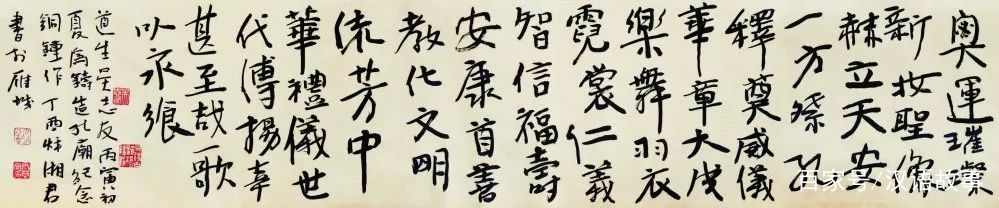
长卷行楷《孔庙太学颂》
纵35厘米 横330厘米
“Confucius Temple Imperial College Song” Long Scroll in Style between the Running Script and the Standard Script
Length: 35 cm, Width: 330 cm

释文:
帝都太学 皇城孔庙 左庙右学 古韵悠长 世祖初创 永乐更张 嘉靖改制 康雍馨香 乾隆文采 崇誉无双 光绪大祀 儒林之光 迤逦民国 起于新邦 贞下纪元 来复一阳 适逢奥运 璀璨新装 圣像赫立 天安一方 祭孔释奠 威仪华章 大成乐舞 羽衣霓裳 仁义智信 福寿安康 首善教化 文明流芳 中华礼仪 世代传扬 幸甚至哉 歌以永飨
Interpretation:
The Imperial College is located in the capital of the Empire
The Confucius Temple is situated in Beijing, the Imperial City
On the left, there is the Confucius Temple and on the right, there is the Imperial College
Boasting a long history and carrying on a profound ancient culture
Built by the Emperor Shizu of the Yuan Dynasty
Expanded by the Emperor Yongle of the Ming Dynasty
Reformed by the Emperor Jiajing of the Qing Dynasty
A good tradition that Emperor Kangxi and Emperor Yongzheng remained
And a brilliant literature talent and grace that Emperor Qianlong obtained
All enjoying a noble and incomparable reputation spread widely
Emperor Guangxu had a grand sacrifice here
The glory of the Confucius culture that remained here
Has shined all the way up to the Republic of China
And passed on to the New China
Over the last century
Into the year 2008
After experiencing the Olympic games in China
It's got a new radiance
A magnificent statue of the Confucius sage was raised
And the whole east was lit up
Sacrifices are offered to the Confucius
And a grand view of Confucian Culture appears
Wonderful music and dazzling dance are carefully choreographed to promote Confucian Culture
The dancing dresses are as light as flying feathers
The clothes are as beautiful as flowing rosy clouds
Promoting Benevolence, Justice, Wisdom and Honesty
Praying for Happiness, Longevity, Peace and Health
Letting education and guidance stand out firstly
Leaving a fragrant civilization scent to permeate the air
And letting the Chinese tradition etiquette
Being passed down from generation to generation
It's really a great luck to see such a grand occasion
I wrote a poem about it and I believe it will live on forever
道生吴志友丙寅初夏为铸造孔庙纪念铜钟作 丁酉秋湘君书于雁城
Daosheng (Mr. Wu Zhiyou) wrote the poem on the creation of Confucius Temple’s Memorial Bronze Bell, in the first month of the summer of 2016.
Calligraphy:written by Xiangjun in Hengyang City in fall in 2017
长卷行书《辟雍畅想》
纵35厘米 横160厘米
“Think Freely on Biyong” Long Scroll in Running Script
Length: 35 cm, Width: 160 cm

释文:
辟雍泮水鱼染红 八年孕育自天成 寰桥教泽莫节观 万流仰镜思乾隆 雅涵于乐多玩味 纲常*理大伦**道升 国学圣地还礼制 十载贤德不虚名

Interpretation:
There are many fishes on the shore of Biyong, like a dyed, red cloth
After eight years of hard work, this lecturing place was built to perfection
As the emperor gave a lecture here, his ministers and masses on the bridge listened to him
And the civilization spread along the flowing water to benefit all people in the world
Emperor Qianlong inscribed the board(2) on Glazed Memorial Arch(1)
It’s a specially decorated archway for education and it made countless people look up and admire it
Education through entertainment makes people ponder subtleties
Ethics as “The Three Principles and The Five Cardinal Virtues” enjoy abundant supportThis is a sacred place to study the Nation Studies and to follow all the rituals
After ten years’ of persistence, people of virtue will surely enjoy a well-deserved reputation
Reference:
(1) Once going through Tai Xue Gate of the Confucius Temple, you will see a distinct, colored Glazed Memorial Arch characterized by 3 doors, 4 columns and 7-eave building. The building is covered with yellow glazed tiles and supported by green colored glaze bracket. Under bracket there are three stone arch doors situated on four Buddha pedestals decorated with branches and lotus.
(2) On the front and back side of the decorated archway there are imperial boards “Huan Qiao Jiao Ze圜桥教泽” and “Xue Hai Jie Guan学海节观” inscribed by Emperor Qianlong. It’s a special, decorated archway for education purposes. 圜桥教泽 refers to “Biyong surrounded by water”, implying that the civilization is spreading along the flowing water to benefit all people in the world. 学海节观refers to the grand scene where the emperor is giving a lecture at Biyong and amount of his ministers and masses on the bridge listening to him is so big that they must be divided by the water.
道生撰于丁酉仲春 湘君书于同年冬
Written during spring in the second auspicious month of 2017
Calligraphy: written by Xiangjun in winter of 2017
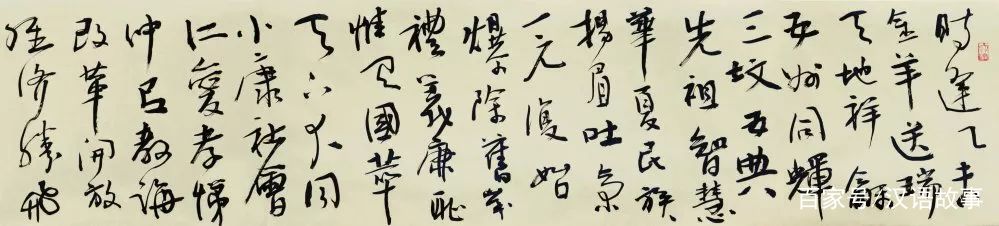
长卷行书《乙未羊年颂》
纵35厘米 横342厘米
“Ode to the Goat Year 2015” Long Scroll in Running Script
Length: 35 cm, Width: 342 cm
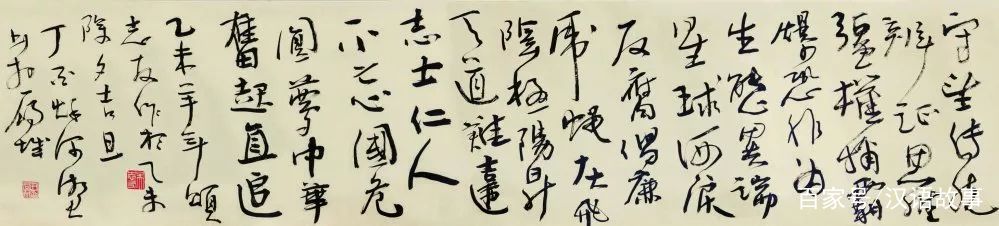
释文:
时逢乙未 金羊送瑞 天地祥和 五州同辉 三坟五典 先祖智慧 华夏民族 扬眉吐气 一元复始 爆除旧岁 礼义廉耻 惟有国萃 天下大同 小康社会 仁爱孝悌 仲尼教诲 改革开放 经济腾飞 守望传统 辩证思维 强权称霸 爆恐非为 生态异端 星球洒泪 反腐倡廉 虎蝇灰飞 阴极阳生 天道难违 志士仁人 不忘国危 圆梦中华 奋起直追
Interpretation:
As the time reaches the 2015, an auspicious year of Golden Goat
There’s a harmony between heaven and earth
And the five states are of equal brightness
Ancient Chinese cultural classics
Are the common wisdom of our ancestors
All nationalities in China
All feel proud and elated
As the new year begins
Getting rid of the old to bring the new
A sense of propriety, justice, integrity and honour
Arises from Chinese traditional culture
And the whole world unites as a harmonious one
Building a prosperous and well-off society
Be certain about benevolence and filial piety
These are Confucius’s teachings
Reform and Openness in China
Achieved an economic take-off
Protect and promote traditional culture
Think rationally and objectively
Never seek hegemony, never support dictatorship
Never engage in terrorist activities
Pursue ecological harmony and reject heresy
What to do about the future?
We will vigorously combat corruption and promote probity
Both hunt tigers and swat flies
Out of the depth of misfortune comes the bliss
Yielding the divine order of things that no one can break
We are the people of ideals and integrity
We must not forget the danger to our country
For the prosperity and revival of the Chinese nation
We should do all we can to strive
(吴)志友作于乙未除夕吉旦 丁酉秋深湘君书于雁城
Wu Zhiyou wrote it on the auspicious morning of the New Year's Eve (2015)
Calligraphy:written by Xiangjun in Hengyang City at the end of fall in 2017
篆书首善至*联学**
纵123厘米 横60厘米
Calligraphic Couplet “Shoushan Zhixue” in Seal Script
Length: 123 cm, Width: 60 cm

释文:
首善之都首善之地 至学者庙至学者堂
Interpretation:
A most benevolent capital city and a leading model culture place
A best Confucius Temple and an Imperial College to learn National Studies
篆书易乾坤卦辞横幅
纵67厘米 横133厘米
“Yi Qiankun” Horizontal Hanging Scroll in Seal Script
Length: 67 cm, Width:133 cm

释文:
天行健君子以自强不息 地势坤君子以厚德载物
Interpretation:
As heaven maintains vigor through movements, a gentleman should constantly strive for self-perfection.
As earth's way is receptive devotion, a gentleman should hold the outer world with a broad mind.
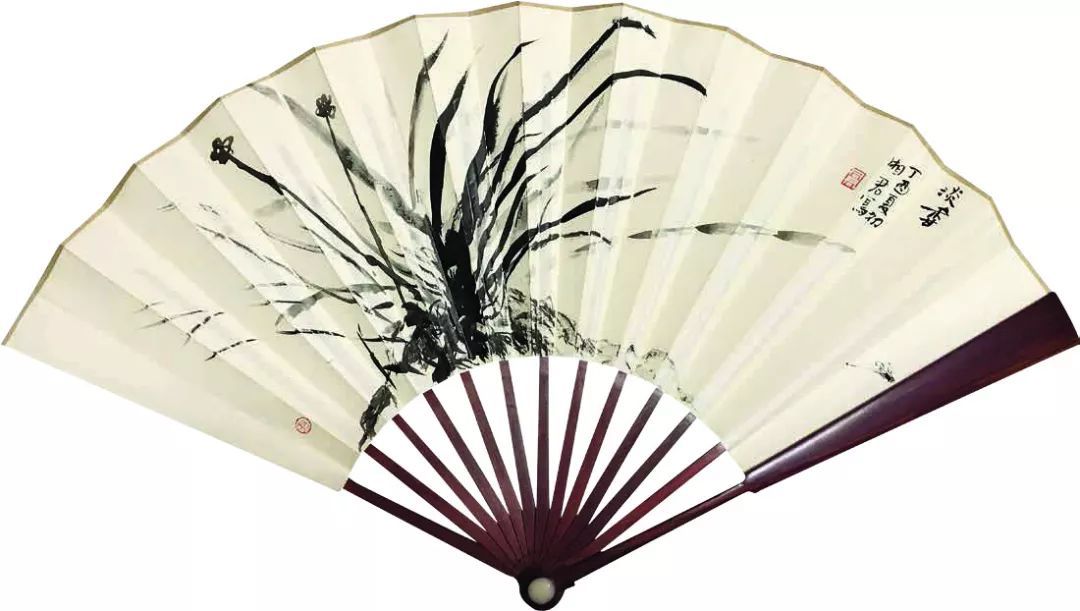
扇面行书淡香
纵67厘米 横133厘米
“Delicate Fragrance” Written on a Fan-Shaped Leaf in Running Script
Length: 33 cm, Width:66 cm
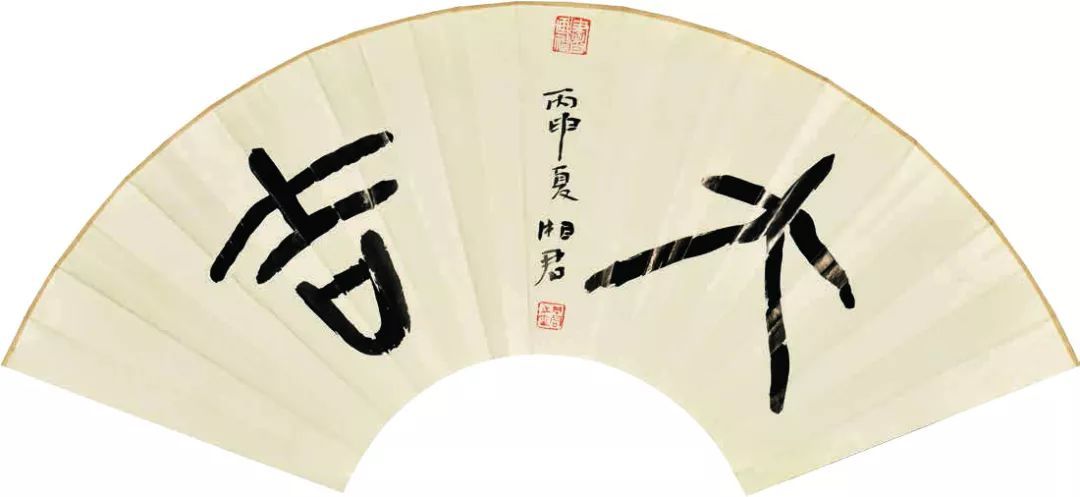
扇面隶书大吉
纵33厘米 横66厘米
“Great Auspiciousness” Written on a Fan-Shaped Leaf in Clerical Script
Length: 33 cm, Width:66 cm
扇面隶书成功铭(摘句)
纵33厘米 横66厘米
“An Inscription of Success” (select sentences) Written on a Fan-shaped Leaf in Clerical Script
Length: 33 cm, Width:66 cm
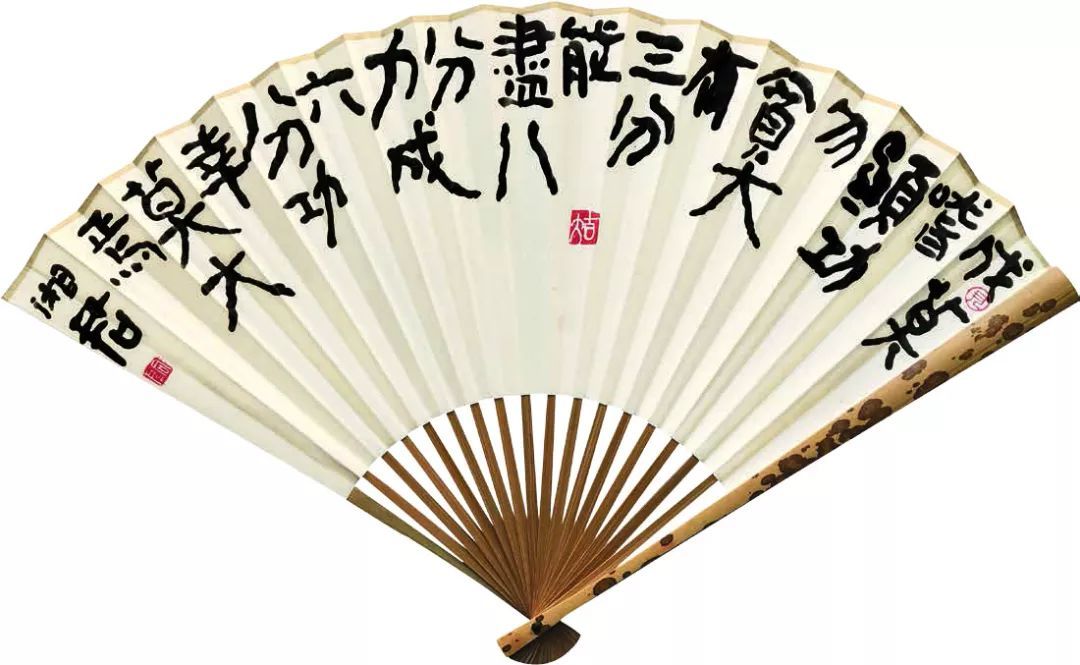
释文:
成莫嗜显 功勿贪大 有三分能 尽八分力 成六分功 幸莫大焉
Interpretation:
When people pursue success, they should not be greedy. For a person who has only 30% abilities, it will be very fortunate to achieve success in 60% by devoting 80% of efforts.
扇面行书万倾一潭联
纵33厘米 横66厘米
Calligraphic Couplet “Wanqin Yitan” Written on a Fan-Shaped Leaf in Running Script
Length: 33 cm, Width:66 cm

释文:
万倾桃花千树竹 一潭秋水半房山

Interpretation:
There are peach blossoms covering all the plains over and over
And green bamboos growing in the mountains thousands after thousands
There’s also a pool of autumn water waving brightly
And a mountain with lush forests halving my house
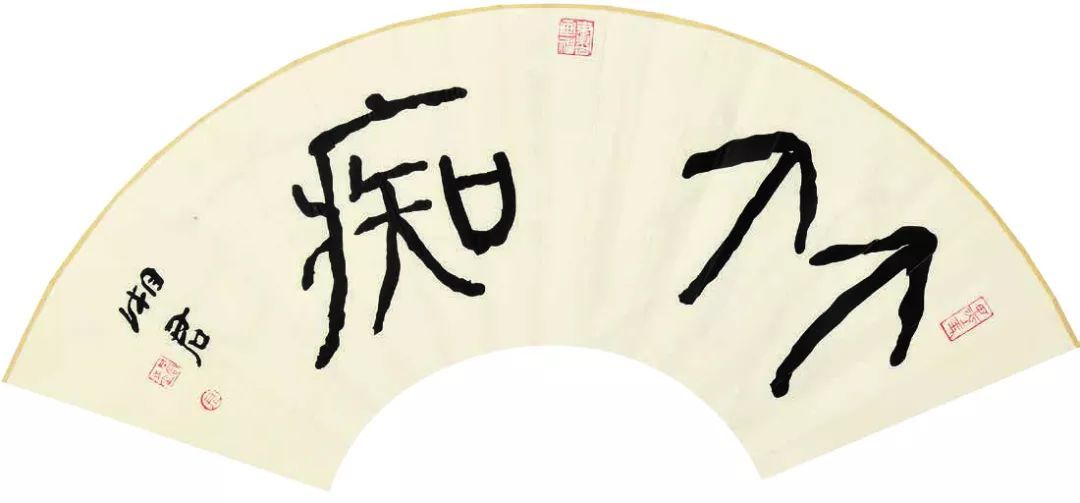
扇面隶书竹痴
纵33厘米 横66厘米
“Bamboo Fanatic” Written on Fan in Clerical Script
Length: 33 cm, Width:66 cm
扇面行书萝月蕉雪联
纵33厘米 横66厘米
Calligraphic Couplet “Luoyue Jiaoxue” Written on a Fan-Shaped Leaf in Running Script
Length: 33 cm, Width:66 cm
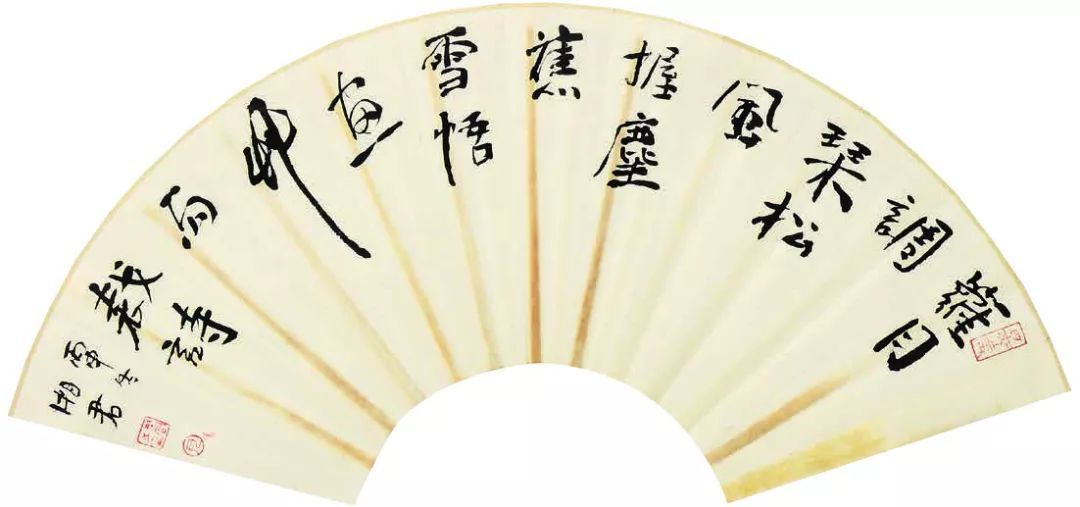
释文:
萝月调琴松风握尘 蕉雪悟画竹雨裁诗
Interpretation:
Playing in the moonlight under the vines
Writing in the wind between the pines
Watching the snow on the withered banana leafs and drawing the meaning of the painting
Listening to the bamboo forest rain and following poetry feelings
行书吴昌硕联
纵180厘米 横66厘米
Calligraphy:written by Yin Tongjun in Running Script
Couplet:written by Wu Changshuo
Length: 180 cm, Width:66 cm
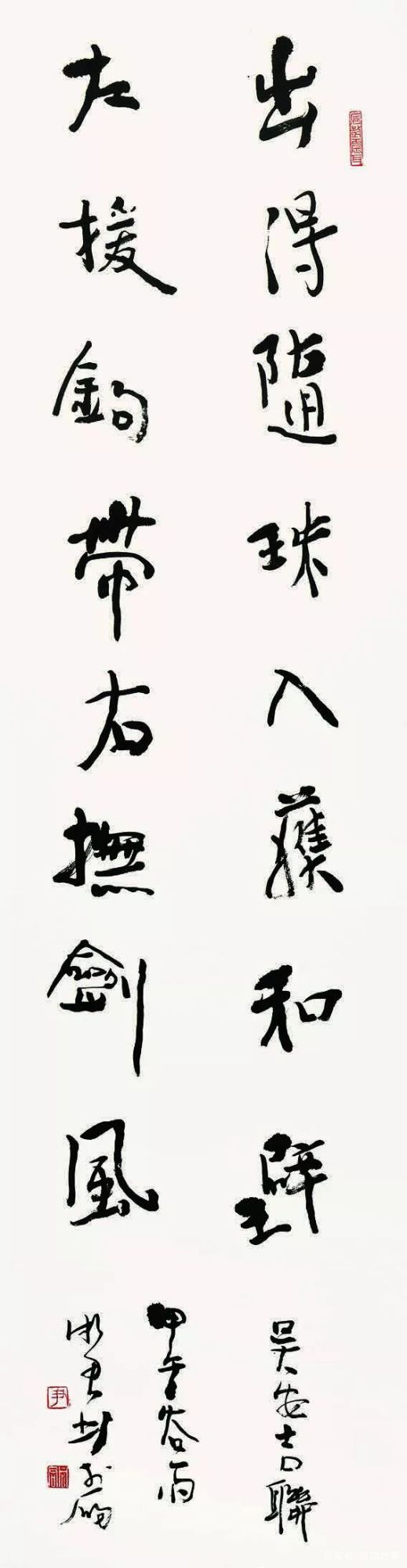
释文:
出得隋珠入获和壁 左援钩带右抚剑风
Interpretation:
Come out and get a Sui Pearl (1), come in and win a He Jade(2)
On the left hang a curving scimitar and on the right grasp a windy sword
Reference:
(1) Legend has it that a vassal of the Sui Dynasty saw a snake wounded and healed it with medicine. After this, the snake brought a bright Moon Pearl from the river in return for his deed. So it got the name “Sui Pearl”.
(2) Bian He of Chu Dynasty acquired a jade in the Jing mountain, and he dedicated it to King Wu and King Wen successively. Both of them thought it was just a stone, and both legs of Bian He were cut off for the crime of deceiving the emperor. Only when King Cheng ascended the throne, he gave an order that the stone should be cut and the Night Light Precious Jade finally appeared, which was called He Jade according to its destiny.
行书犀象凤鹄联
纵134厘米 横68厘米
Calligraphic Couplet “Xixiang Fenggu” in Running Script
Length: 134 cm, Width:68 cm
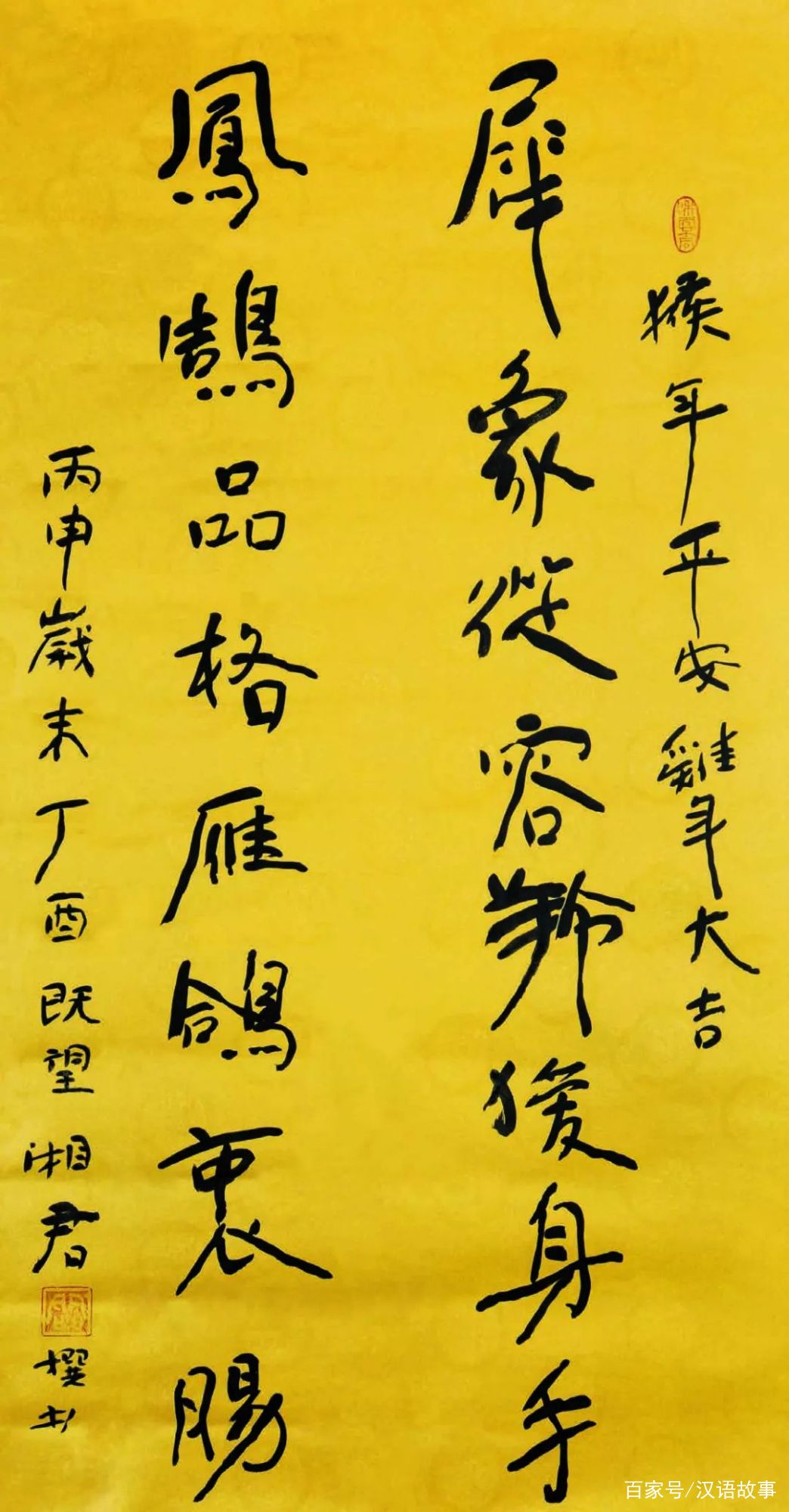
释文:
犀象从容羚猨身手 凤鹄品格雁鸽衷肠
Interpretation:
As calm as the elephant and the rhinoceros, as robust as the antelope and the ape
As noble as the wild swan and the phoenix, as honest as the goose and the pigeon
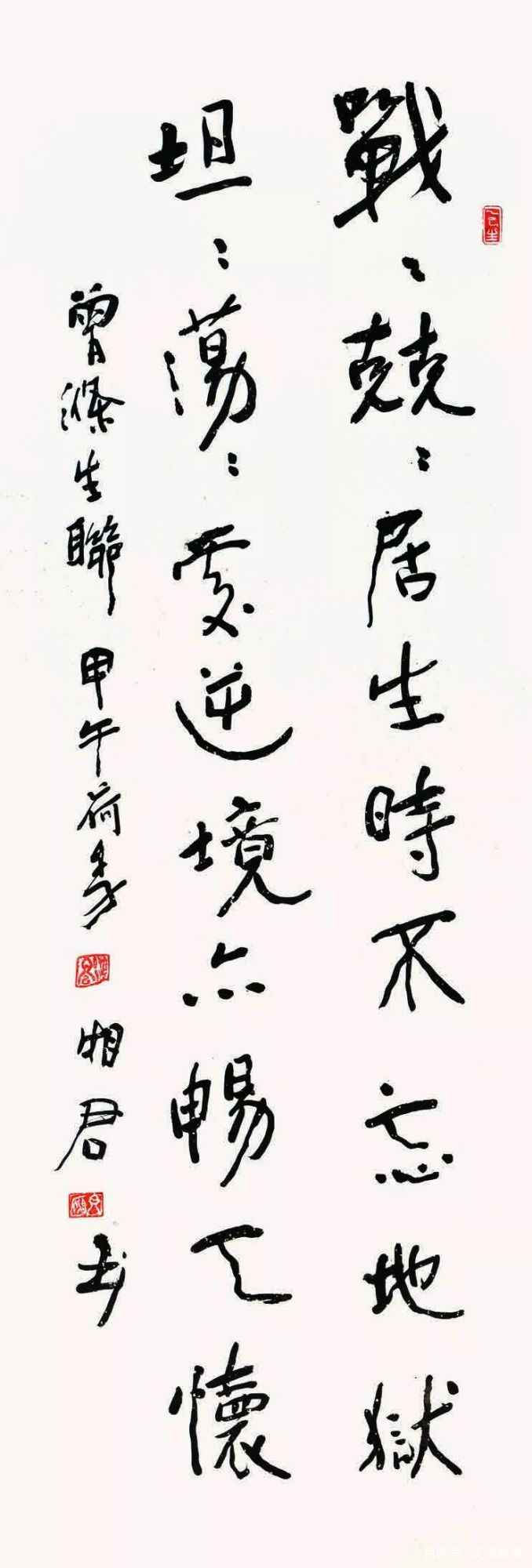
行书曾国藩联
纵180厘米 横66厘米
Calligraphy:written by Yin Tongjun in Running Script
Couplet:written by Zeng Guofan
Length: 180 cm, Width:66 cm
释文:
战战兢兢居生时不忘地狱 坦坦荡荡处逆境亦畅天怀
Interpretation:
In prosperity, still be cautious and prepare for a change
in adversity, be big-hearted and also hope for one
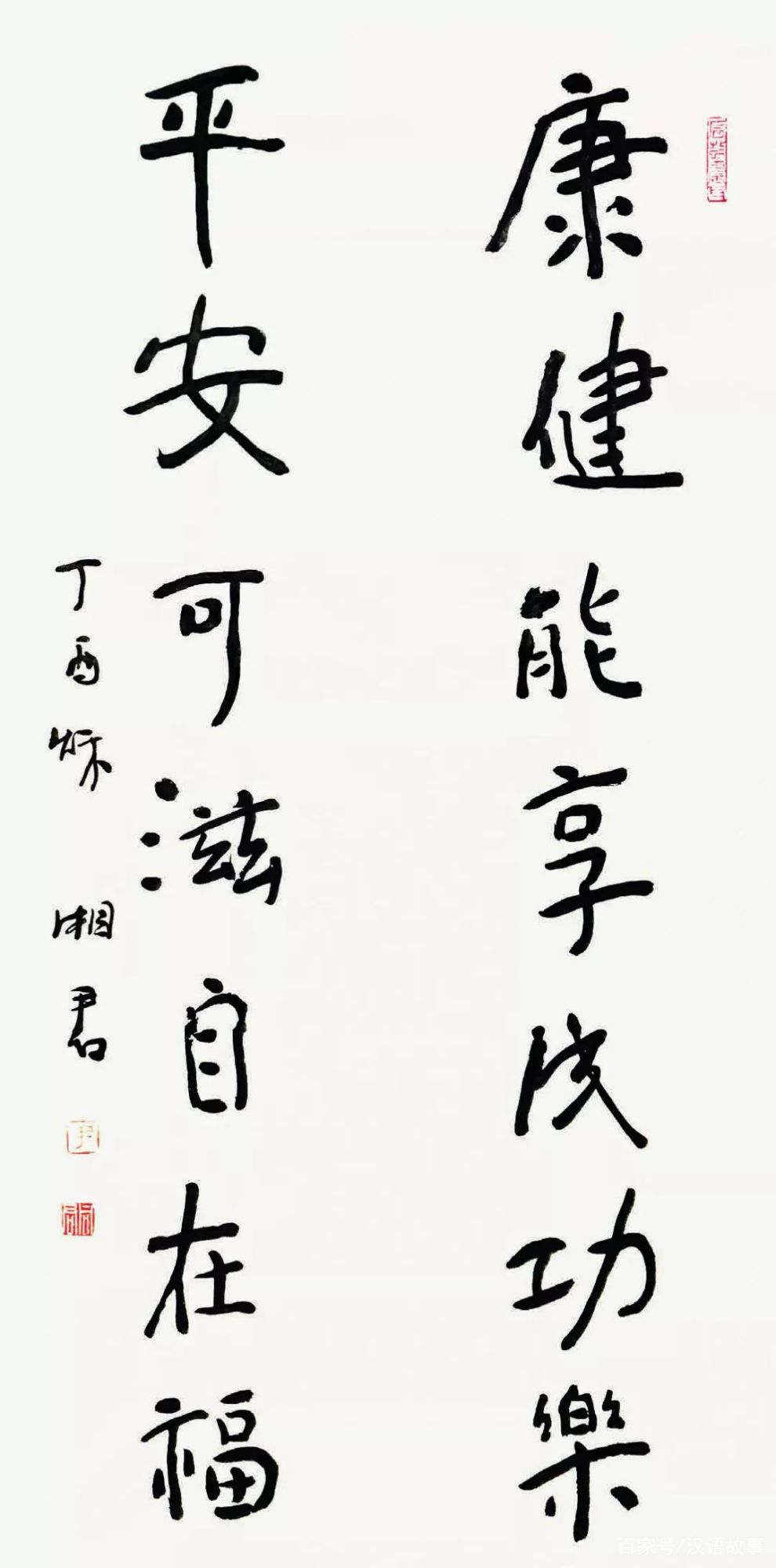
楷书康健平安联
纵133厘米 横67厘米
Calligraphic Couplet “Health and Safety” in Standard Script
Length: 133 cm, Width: 67 cm
释文:
康健能享成功乐 平安可滋自在福
Interpretation:
Only in good health we can enjoy the happiness of success
Only in secure safety we can experience the fortune at ease
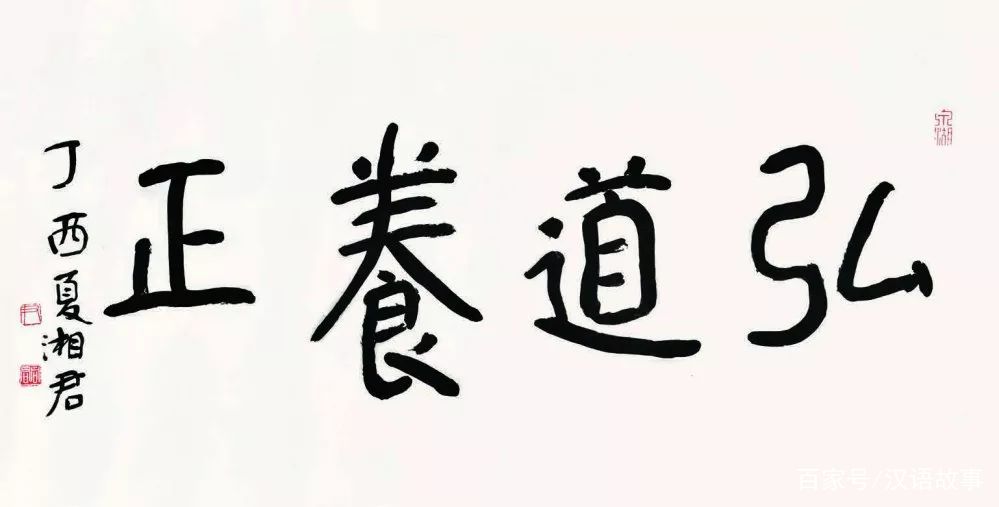
楷书横幅弘道养正
纵66厘米 横133厘米
Calligraphic Horizontal Scroll “Carry forward the Correct Reason and Develop the Just Atmosphere” in Standard Script
Length: 66 cm, Width: 133 cm
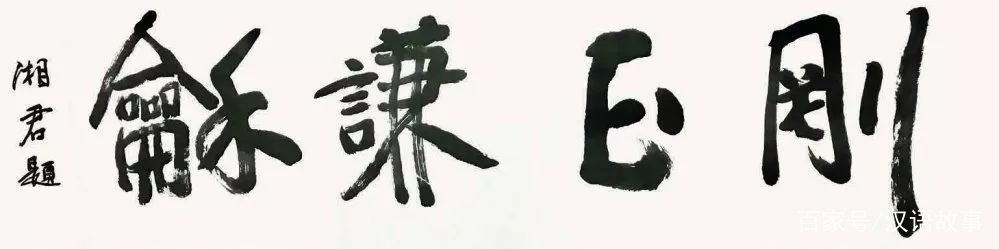
行书横幅刚正谦和
纵46厘米 横180厘米
Calligraphic Horizontal Scroll “Upright and Modest” in Running Script
Length: 46 cm, Width: 180 cm
楷书黄鹄青松联
纵66厘米 横133厘米
Calligraphic Couplet “Yellow Swan and Green Pine” in Standard Script
Length: 66 cm, Width: 133 cm

释文:
黄鹄冲天 青松插地
Interpretation:
A yellow swan shooting up into the sky
A green pine thrusting down into the earth
行书横幅寓理帅气
纵98厘米 横180厘米
“Dwell on the Reasons in Support of Self-Striving” Written on a Horizontal Scroll in Running Script
Length: 98 cm, Width: 180 cm

释文:
寓理帅气
Interpretation:
Dwell on the reasons in support of self-striving
王帅同志雅存湘君书
Xiangjun wrote this calligraphic work and asked Mr. Wang Shuai to keep it and appreciate.
行草横幅周敦颐《爱莲说》
纵98厘米 横180厘米
Calligraphy:written by Yin Tongjun on a Horizontal Scroll in Semi-Cursive Script
Poem:“On the Love of the Lotus” written by Zhou Dunyi (Zhou Lianxi)
Length: 98 cm, Width: 180 cm
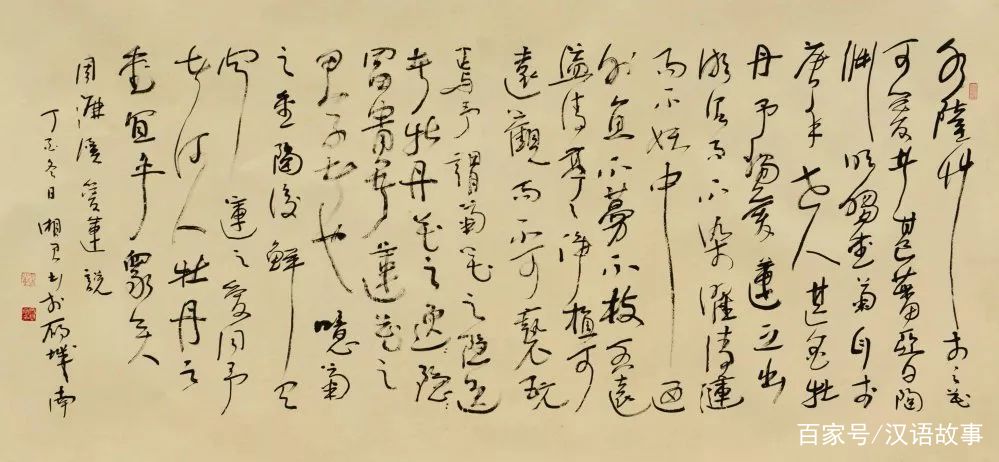
释文:
水陆草木之花 可爱者甚蕃 晋陶渊明独爱菊 自李唐来 世人甚爱牡丹 予独爱莲之出淤泥而不染 濯清涟而不妖 中通外直 不蔓不枝 香远益清 亭亭净植 可远观而不可亵玩焉
予谓菊 花之隐逸者也 牡丹 花之富贵者也 莲 花之君子者也 噫 菊之爱 陶后鲜有闻 莲之爱 同予者何人 牡丹之爱 宜乎众矣
周濂溪(敦颐)爱莲说
Interpretation:
Many flowers of grasses and trees in the water and on the land
Are worthy of admiration.
Tao Yuan Ming(1) of the Jin Dynasty only loved the chrysanthemum;
Since the Tang Dynasty, all people have deeply loved the peonies(2).
But I only love the lotus, which came out of mud yet is not contaminated,
Washed by ripples yet is not voluptuous,
Its straight stem is hollow inside,
It does not grow into branches or vines,
Its clean fragrance diffuses a far distance,
It stands there perfectly upright and clean,
It shall only be admired from afar instead of being played in people’s hands.
I think the chrysanthemum is the recluse of the flowers;
Peony is the nobility of great wealth;
Lotus is the gentleman of the flowers.
Alas!
The love of chrysanthemum is seldom seen after Tao Yuan Ming,
Who else shares the same love of Lotus that I have?
The love of peonies is, of course, widespread everywhere.
Reference:
(1) Tao Yuan Ming is an important poet and writer in Chinese literature history.
(2) Peony is often considered as the flower of China, symbolizing nobility, wealth and status. Peony is often associated with the empress.
丁酉冬日湘君书于雁城南
Written by Xiangjun in the south of Hengyang City in winter of 2017
楷书横幅《平安铭》(摘句)
纵68厘米 横180厘米
“An Inscription of Safety”(select sentences) Written on a Horizontal Scroll in Standard Script
Length: 68 cm, Width:180 cm
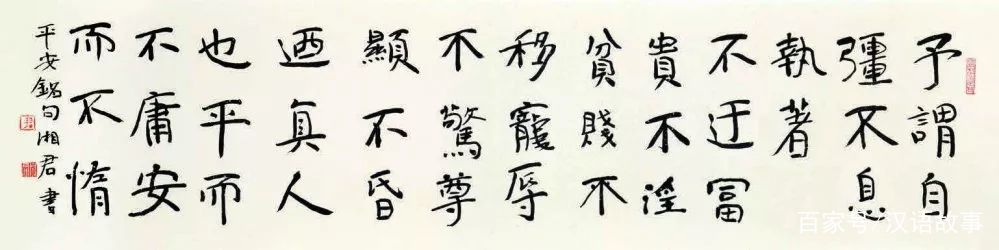
释文:
予谓自强不息 执着不迂 富贵不淫 贫贱不移 宠辱不惊 尊显不昏 乃真人也 平而不庸 安而不惰
Interpretation:
I hold that he is a true person who keeps on making his efforts without slackening, who is persistent without being pedantic, who is not profligate when rich or in a high position, who does not change his will or standpoint when poor, who remains indifferent whether favoured or humiliated, and who is not enticed by honor and glory. Live prosaically but not vulgarly, and enjoy a comfortable but not lazy life.
行书横幅周敦颐《拙赋》
纵68厘米 横202厘米
Calligraphy:written by Yin Tongjun on a Horizontal Scroll in Semi-Cursive Script
Poem:“The Prose on the Clumsy” written by Zhou Dunyi
Length: 68 cm, Width: 202 cm
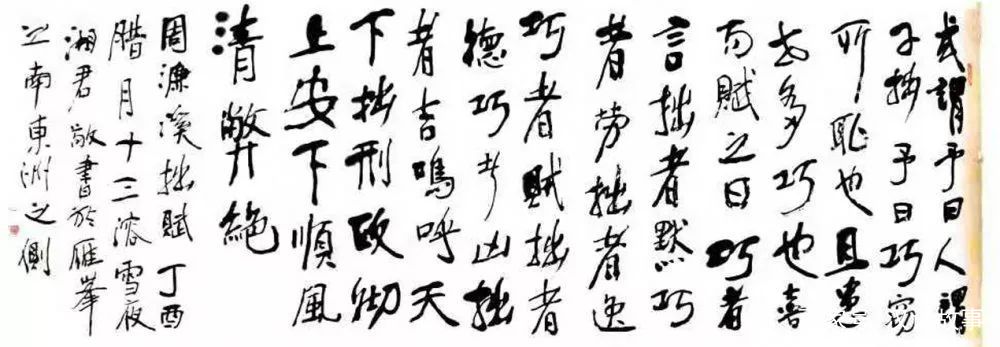
释文:
或谓予曰 人谓子拙 予曰 巧 窃所耻也 且患世多巧也 喜而赋之曰 巧者言 拙者默 巧者劳拙者逸 巧者贼 拙者德 巧者凶 拙者吉 呜呼 天下拙 刑政彻 上安下顺 风清弊绝
Interpretation:
Some people told me, “people consider you clumsy and dull.” I replied, “tactfulness is what I secretly regard as a shameful trait. And if people in the world tend to be too tactful, that would be petty worrisome.” I was relived and sang: “tactful people only talk useless words but simple people do things silently; tactful people make all sorts of efforts to play tricks but simple people convince others with virtue and enjoy their leisure time; tactful people aim at personal gains but simple people search for the common good; tactful people are inauspicious and simple people are always auspicious. Alas! If all people in the world would become simple, all benevolent rules would be implemented. There would be ease for the government, harmony for the peomatchple, integrity for the customs and an end to the social ailments.”