
543rd article第543 期双语推文

NB: This may not be a word-for-word transcript.
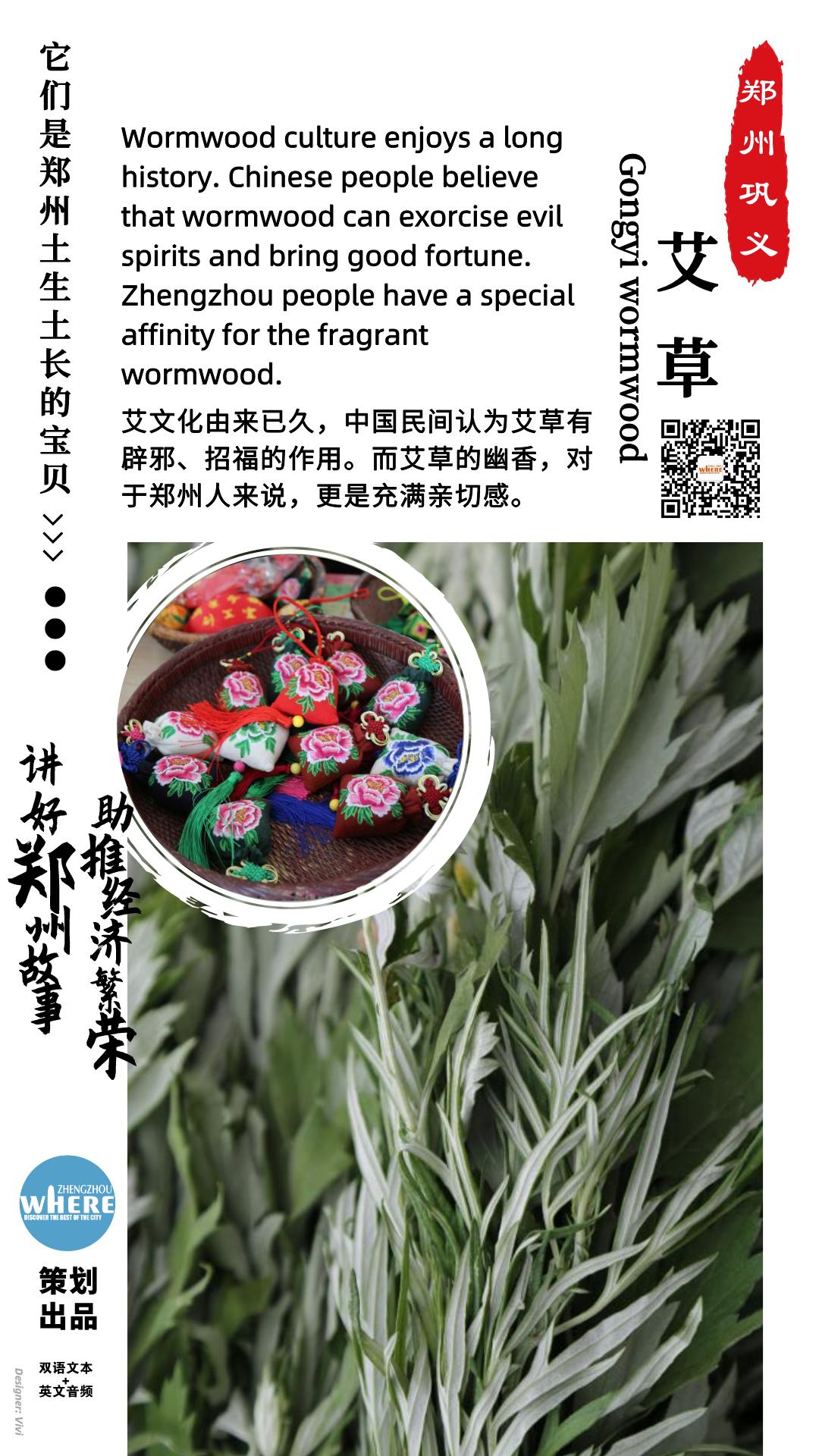
Wormwood, a perennial herb or shrub of the genus Artemisia of the family Asteraceae, produces a strong fragrance.
艾草,菊科蒿属植物,多年生草本或略呈半灌木状,植株有浓烈香气。
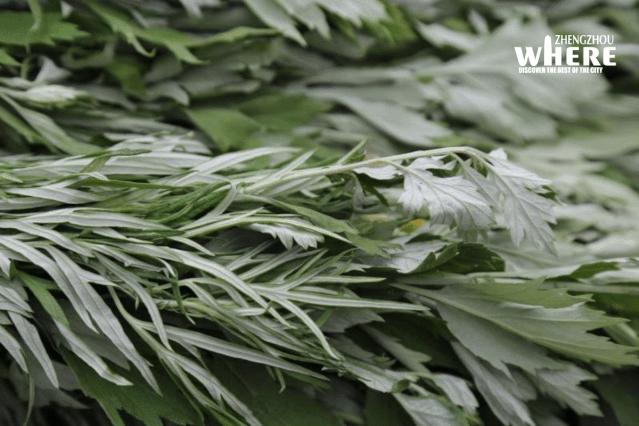
Wormwood is renowned for its high medicinal value. It may warm meridians, remove moisture, dispel cold, stop bleeding, diminish inflammation, relieve asthma, suppress coughing, prevent miscarriage, and guard against allergy. Its leaves can be dried and mashed into "moxa" for making moxa sticks or "inkpad". The whole plant can be used to kill insects, or to fumigate rooms, and in its powdered form can be used as a natural vegetable dye.
全草入药,有温经、去湿、散寒、止血、消炎、平喘、止咳、安胎、抗过敏等作用。艾叶晒干捣碎得“艾绒”,制艾条供艾灸用,又可作“印泥”的原料。此外全草可作杀虫的农药,或是薰烟作房间消毒杀菌药。艾草晒干粉碎成艾蒿粉,还能当天然植物染料使用。
Concerning the origin of wormwood's name, it is said that there was a famous doctor named Xiao Ai serving King Wu more than 3,000 years ago. One day, when Xiao Ai went to treat a critically ill soldier in spite of diarrhea that he had been suffering for many days, he accidentally tripped over a mosquito-repellent weed fire and was extensively burnt. However, after having examined the soldier, he found that his wounds were healed. Thus he decided to treat soldiers' wounds with the burning weeds, and unexpectedly the soldiers' conditions improved. King Wu highly praised Xiao Ai, but Xiao Ai did not dare to take the credit, saying "it's the weed that works." King Wu thus declared to the whole army: "Weeds usually have no name, but from this day on, this weed will be named Xiaoai or mugwort."
关于艾草的由来,还有一段传说。相传,3000多年前武王身边有一位名医叫萧艾。有一天,泻痢多日的萧艾为了医治病情危急的将士带病出诊,却不小心被驱蚊的野草火堆绊了一跤,身体多处被火烧伤。当他给将士看完病时,意外地发现自己的病痛痊愈了。于是他突发奇想,用这野草点火烧灼病患的伤口,将士们的病情果然都好转了。武王大赞萧艾,萧艾不敢居功,答道:“此乃野草之功。”武王宣告全军:“野草本无名,从今以萧艾、艾蒿之名名之。”
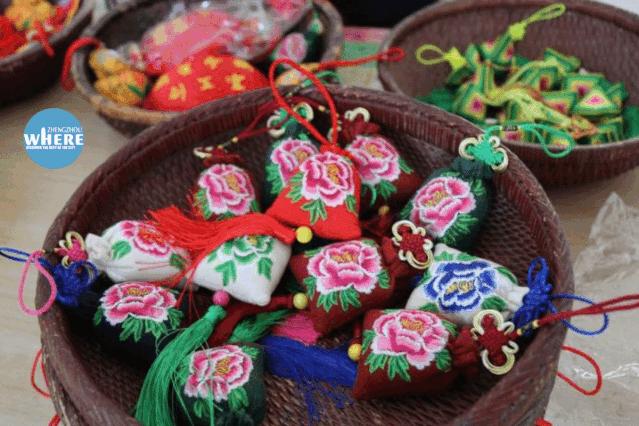
Wormwood culture enjoys a long history. Chinese people believe that wormwood can exorcise evil spirits and bring good fortune, and they have made it a tradition to hang wormwood on the door during the Dragon Boat Festival. Zhengzhou people have a special affinity for the fragrant wormwood.
艾文化由来已久,中国民间认为艾草有辟邪、招福的作用。端午节,挂艾草于门上,相沿成习,此风俗流传至今。而艾草的幽香,对于郑州人来说,更是充满亲切感。
Waihe Village, Luzhuang Town, located in the mountainous area of southwest Gongyi, boasts a 2,500-mu forest area and a beautiful ecological environment. However, before 2016, ravines and gullies ran through the area, land was barren, and natural conditions were poor, with droughts all year round. Thus it was always stricken by poverty.
郑州巩义市鲁庄镇外河村,地处巩义西南部山区,林地面积2500亩,生态环境优美。区域内沟壑纵横,土地贫瘠,常年干旱少雨,自然条件差,2016年之前尚属省级贫困村。
In 2017, Waihe Village launched a wormwood planting project. In 2018, it applied for a village-level collective economy pilot project in Henan Province, and built a 1,300-square-meter steel wormwood warehouse. In 2019, it commenced with the extensive and intensive processing of wormwood. It now produces a series of wormwood products such as moxa, pillows, cushions, futons, foot bath packages, moxibustion pastes, and steam eye masks.
2017年,外河村启动艾草种植项目。2018年,申请了河南省发展村级集体经济试点项目,建设1300平方米的钢结构艾草储存车间。2019年,发展艾草深加工项目,目前生产各种艾绒,加工枕头、坐垫、*团蒲**、足浴包、艾灸贴、蒸汽眼罩等一系列艾草产品。
In recent years, based on local conditions, Waihe Village has pushed forward with the industrial development of wormwood by transferring land, introducing wormwood seeds, purchasing agricultural machinery, deepening processing, and extending the wormwood supply network.
近年来,外河村因地制宜,走上艾草产业发展之路,流转土地、引进艾种、购买农机、深化加工,延伸艾草产业链。
Thanks to wormwood, Waihe Village shakes off poverty and embarks on a "green" road to get rich, and Zhengzhou adds another specialty.
小“艾”汇成大爱,艾香洒满中原。艾草不仅让外河村走上了“绿色”脱贫致富路,也成了郑州又一大特产。

双语内容,转载请授权
Click on the pictures below to get more
点击下方图片查看更多
All rights reserved.
Feel free to forward to WeChat Moments.
转载请注明出处,欢迎转发到 朋友圈
Chief Planner丨Shi Dadong
Managing Editor丨Xiong Vivi
Text丨Wang Yipin
Photo丨Hao Linlin, Yang Guodong
Trainee Editor丨Xu Hanyu
English Proofreader丨S. Jones
Announcer丨Adam
