学习要点
- 掌握积累本单元重点单词、词组的用法
- 掌握动词不定式(to do)作宾补、作状语的含义及用法
- 掌握could表建议的用法
重点词组短语
1.clean up 打扫干净; “动+副”结构
2.cheer up (使)变得更高兴;振奋起来
3.give out 分发
4.used to do 曾经......;过去常常........
be used to doing sth. 现在习惯于做某事
(sth.) be used to do sth. (某物)被用来做某事
5.give away 赠送,捐赠 ;
give sth. off 散发,放出(气味,热量等)
give up 放弃 (give up doing sth. 放弃做某事)
6.set up 建立;设立
put up:张贴,举起
look up:查找,向上看
7.make a difference 有影响
8.come up with 提出,想出
come over 顺便来访,过来 ;
come in 进来;
come on 加油;
come out 出来,开花,出版;
9.put off 推迟 (put off doing sth. 推迟做某事)
put away 把...收起来; put on 穿上,增加体重,上演
put down 放下,记下;put out 熄灭,伸出;put up 张贴 ;
10.notice 可数名词,公告牌,通告。
v. 注意到,意识到 : notice sb do/doing 注意到某人做了/正在做
11.call up 打电话给
12.help out 帮助.....摆脱困难
13.care for 照顾;照看,喜欢。/ look after take care of
14. fix up 修理
15.try out for 参加选拔
16.come true 实现
主语通常是愿望,梦想,预言。主语不能是人。
17.用光,耗尽;
sb. run out of sth.
sth. run out.
18.take after 与.....相像 (由于血缘关系)after为介词。
be similar to 与......相似
look like 看上去像,(外貌)可以是人也可以是物
be like 像....可指外貌,也可指性格
19.be similar to 与......相似
be similar in 在......方面相似
19.several 限定词,几个,数个。 修饰复数名词。
20.such和so的区别用法
such 形容词 - 如此的,这样的;
such+a/an+形容词+可单
such+形容词+可复/不可名词
so 副词 - so+形容词/副词
so+形容词+a/an+可单
so+many/much/few/little+名词
21.feeling 可数名词 感觉,感触
22.owner 可数名词,物主/主人 own 形容词,自己的;动词,拥有
23.go on a +名词 进行/举行(某件事)......
24.try to do 努力做某事 try doing尝试做某事
25.raise money for...为....筹钱
26.stop to do 停下来去做(另外)某事
stop doing sth 停止做某事
27.alone 形容词,单独的,独自的;
副词, 单独,独自(强调客观,无感情色彩);
lonely 形容词,孤独的,寂寞的(强调主观,有感情色彩);
28.broken 形容词 破损的,残缺的
29.write a letter to sb=write to sb 给某人写信
30.carry 扛,提,运;
bring 带来;take 带走;get 去拿来,去取来
31.a friend of mine双重所有格
如果表示所属物的名词前有冠词、数词、代词时,用双重所有格—“of + -’s( 所有格/名物)”。
32.be strong in... 擅长......
be good at...
33.work out fine/well 奏效
work out 计算出,制定,解决

- 用法归纳
1.need to do sth 需要做某事
2.make plan to do sth 制定计划做某事
3.ask sb (not ) to do sth 要求某人(不要)做某事
4.used to do sth 过去常常做某事
5.decide to do sth 决定做某事
6.help sb (to)do sth 帮助某人做某事
7.make a difference to 对......产生影响
8.make it possible for sb to do sth 使得做某事对某人来说是可能的
9.be excited about对...感到激动
be excited to do 对做某事感到激动

用法精讲精炼
1. You could help clean up the city parks.你可以帮助打扫城市公园。
【解析1】help v →helpful
1). help sb. to do sth. 帮助某人做某事。
2). help oneself ( to )自用(食物等)。
3). help sb. out 帮助某人克服困难,渡过难关、解决问题、完成工作。
4). with the help of 在……帮助下。
5). help sb. with sth. 帮助某人做某事。
6).Can’t help doing 情不自禁做....
2. The girl could visit the sick kids in the hospital to cheer them up.
女孩可以去医院看望生病的孩子们,让他们振作起来。
【解析1】 sick /ill :
(1) sick adj.“生病的”,既可放be (系动词)后作表语,
也可放n.前作定语。
be sick of …“讨厌;厌恶……”
sick person = patient“病人”
(2) ill adj.“生病的”,只能放be (系动词)后作表语,
be ill in hospital 生病住院
ill → illness n.“病;疾病”
①. You look very tired. You must be sick. (= ill)
②.He had a sick mother. 他有一位生病的母亲
【解析2】 in the hospital 与in hospital
(1) in the hospital “在医院”
指人在医院里,允许是在医院上班,允许是到医院看望病人等;
(2) in hospital “在医院;住院”
指生病住院。
【解析3】 cheer up 使振奋,使高兴的(v. +adv)
cheer sb. up =make sb. happy 使某人高兴 cheer me up 使我高兴
clean up the table = clean the table up
3. The boy could give out food at the food bank. 男孩可以在食物站分发食物
【解析】give out =hand out分发(v. +adv) hand out bananas
give out sth to sb. 分….给某人
【相关短语】
give in 屈服
give back=return 归还
give away 赠送
give sb. a hand =help sb. 帮助某人
give up doing sth =stop doing sth放弃做某事
give up smoking 放弃吸烟
give sb. sth = give sth to sb. 给某人某物
give me money 给我钱=give money to me 给我线
4. We need to come up with a plan for the City Park Clean -up Day.
我们需要为城市公园清洁日想出一个计划。
【解析】come up with = think up 想出
catch up with 赶上 追上
5. Oh , what did they ask you to help out with? 哦,他们让你帮助做些什么?
【解析】help out (with)帮助; 帮助......出来
help sb. out 使某人脱离困境
6. They told me stories about the past and how things used to be.
他们给我讲过去的故事,并告诉我过去事情是什么样子的。
【解析1】
(1) use v.使用→useful adj. 有用的
Studying English is__________(use).
(2) use sth to do sth 用某物做某事
We use Internet __________(find) information.
(3) used to do sth 过去常常做某事,表示过去做过的事现在已经不做,只用于过去时态。
(4) be /get used to doing sth 习惯于做某事
My grandpa is used ___________(live) in country.
(5) be used to do sth 被用来做某事=be used for doing sth
【例】
He used to wear glasses . But now he is used to wearing contact lenses.
他以前常戴(框架)眼镜,但现在习惯戴隐形眼镜。
7. That sounds interesting. 那听起来挺有趣。
【解析1】sound
感官系动词,其后可接形容词作表语。主语+sound+adj.
【解析2】sound
n. 声音
We heard a strange sound.
【辨析】Sound/noise/voice
⑴sound(n.)指自然界中所有的声音,可指悦耳的声音也可指噪音。
⑵noise一般指很响的,刺耳的声音,即喧闹,嘈杂声等。
③voice指人通过发音器官发出的声音(包括说话,唱歌等)。
Mary has a beautiful voice. 玛丽的声音很美。
Don't make such a noise. 别这样大声喧哗。
8. Yeah, a lot of old people are lonely. 是的,很多老年人都很孤独。
【解析】alone / lonely 辨析:
(1)alone = by oneself adj. 单独的,指无人陪伴的客观事实,不带感情色彩。
He often walks alone to home .
(2)lonely ①指人孤独的,寂寞的,强调主观感受;②也可指某个地方是荒凉的
9. We should listen to them and care for them .
我们应该倾听他们说话并且关心他们。
【解析】care for 照看;照顾; 照料
【拓展】care的短语总结
take care =be careful v.当心,小心
take care of =look after v.照顾,照料,照看
take care of 处理,做完
care for v.照顾,照看
10. Mario Green and Mary Brown from Riverside High School give up several hours each week to help others. 来自河畔高中的马里奥。格林和玛丽每周都会花几个小时去帮助别人。
【解析1】give up 放弃
give up doing sth=stop doing sth 放弃做某事
【解析2】several 可作定语,表示“几个”: = a few
Several boys were injured. 有几个小伙子伤了。
My friend speaks several languages. 我的朋友能讲几种语言
11. He volunteers at an animal hospital every Saturday morning.
他每周六早上在动物医院做志愿者。
【解析】volunteer v. 志愿 n. 志愿者
volunteer to do sth 志愿做某事
①Jack volunteered _________(carry) the water.
②They often ___________________(自愿去教) the children
12. ... But I want to learn more about how to care for animals...
但是我想学习更多的关于如何照顾动物的知识
【解析】 “疑问词+不定式” 作 及物动词的 宾语。
【如】:
I don’t know what to do.
I don’t’ know how to do it .
I don’t know what to do with it.
13. She could read by herself at the age of four.
她在四岁的时候就能够独自阅读。
【解析】at the age of 在......岁的时候= when sb. was ..years old.
15. Last year, she decided to try out for a volunteer after-school reading program.
去年,她决定尝试在一个课后阅读项目中做一名志愿者。
【解析】try out 尝试;实验
try v 试图,设法,努力
【拓展】
(1)try on 试穿
(2) try to do sth 努力做某事 【侧重尽力做】
(3) try doing sth 试图做某事 【侧重尝试做】
(4)try one’s best to do sth= do one’s best to do sth 尽某人最大努力做某事。
16.She still works there once a week to help kids learn to read.
她仍然每周在那里工作一次,帮助孩子们学习阅读。
【解析】once a week 一周一次
【拓展】once = one time一次 twice= two times 两次
【注】:三次或三次以上用:“基数词+times”
three times 三次 four times 四次 three or four times 三到四次
I chat with my friends online________________(一两次) a week.
17. ...,but you can see in their eyes they’re going on a different journey with each
new book,......
但是你能从他们的眼睛里看到他们正随着每本新书在进行不同的旅行。
【解析】go on a journey = go on a trip去旅行
18. Volunteering here is a dream come true for me.
对于我来说,在这里做志愿工作使我梦想成真。
【解析】 come true 实现

①We want to see young people ___________(实现他们的梦想)。
②______________(实现) your dream through great effort is really cool.
19. I can do what I love to do and help others at the same time.
我不但可以做我自己喜欢的事,同时还可以帮助其他人。
【解析】at the same time 同时,

20. However, few people think about what they can do to help others.
然而,很少有人会考虑他们能做些什么来帮助他人。
【解析1】however 然而
【辨析 】however和 but 二者都意为“可是,但是”;
⑴ but是并列名词,连接两个并列分句,上下二句在总的意义上构成了对比。
I really don't like cheese, but I will try just a little this time.
我实在是不喜欢吃奶酪,但是这次我要尝一点。
⑵ however不能直接连接两个分句,必须另起新句,并用逗号隔开。
It was raining hard. However, we went out to look for the boy.
雨下得很大,不过我们还是出去寻找那个孩子
【解析2】
a few/ few
(1)a few, few 用来修饰可数名词。
(2)a few “有一些”,表示肯定概念。
few 几乎没有,表示否定意义。
a little/ little
(1) a little, little 用于修饰不可数名词。
(2) a little “有一些”,表示肯定概念。
little “几乎没有”,表示否定概念。
There is a little water in the glass. 杯子里有一些水。
There is little water in the glass, so you can’t drink any.
杯子里几乎没有水了,你不可能喝到水了。
21. There are many people who are less lucky than us .
有很多没有我们幸运的人。
【解析】less 较少的; 较次的
【注】less 可用在部分双音节和多音节形容词和副词前,构成形容词和副词的比较级。
22.For example , we can make plans to visit sick children in the hospital or raise money for homeless people. 例如, 我们可以制定一些计划去看望医院生病的孩子们或者无家可归的人们筹钱。
【解析1】for example
⑴for example“例如”,一般只以同类事物或人中的“一个”为例,作插入语,
用逗号隔开,可置于句首、句中或句末。
For example,he is a good student. 例如,他就是个好学生。
⑵ such as“例如”,用来列举同类人或事物中的几个例子。
可以和and so on 连用。
Boys such as John and James are very friendly.
像约翰和詹姆斯这样的男孩都很友好。
【解析2】 raise (raised; raised) v 募集;征集
raise money for... “为......筹款”
【解析3】
home n 家→homeless adj. 无家可归的
a homeless boy 一个无家可归的男孩
23. Some people even stop doing their jobs for a few months to a year to move to another country, like Africa,and help people there.
有些人甚至会停下自己的工作几个月到一年去其他的国家,像非洲,并且帮助那里的人们。
【解析】 stop doing
(1)stop doing sth 停止做某事 Please stop speaking.请停止讲话
(2)stop to do sth 停下来去做另外一件事 Please stop to talk.请停下来讲话
(3)stop sb. from doing sth =keep sb from doing sth=prevent sb from doing sth 阻止某人做某事
(4)can’t stop doing sth 忍不住做……
24. I repaired it . 我把它修好了
【解析】 repair v “修理;修复”
repair 与 fix 的区别
1) repair的对象范围很广,从房屋、道路、机器到日常生活必需品,是使受到一定损失或 失灵的东西恢复其形状或功能。
Who has repaired the broken leg of the table? 谁把桌子的断腿修好了?
2) fix用于需要重新“调”物体的结构,把松散的部件固定结实,将分离的物体各部分装配起来。用于美国口语中,与repair无多大区别。
Can you fix the broken chair? 你能修理那把坏了的椅子吗?
25. I’ll send you a photo of Lucky.
【解析】
(1) a photo of sb. sb.为宾格,
“某人的一张照片”,
强调照片上的人就是他/她本人。
(2) a photo of sb’s. sb’s.为名词性物主代词或名词所有格,
“某人的一张照片”,强调照片上的人是sb.所拥有的。
27. I love animals and I was excited about the idea of having a dog.
我热爱动物,并且为能拥有一只狗这个主意激动不已。
【解析】be excited about 对......感到激动
【解析1】excite→ exciting/excited 兴奋的
be excited about对…感到兴奋
①We are _____ about the ________news .(excite)
②—What _____ news! --Yes. We are all _____ about it.
A. exciting; exciting B. excited; excited C. exciting; excited
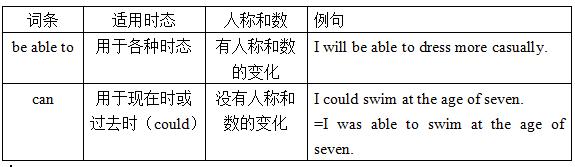
28. I was able to bring him home. 我可以把它带回家了。
重点语法
一.短语动词:动词与其他一些词构成的起动词作用的短语成为短语动词。短语动词的搭配可分为以下基本类型
1.动词+副词 短语(代词放副词中间,名词放副词两边)
cheer up 使高兴起来 clean up 打扫干净 put up 张贴 mix up 修理
give away 赠送 give out 分发 give up 放弃 use up用光 get up 起床
hand in 上交 put off 推迟 pick up 捡起 think over 仔细思考 turn down 关小音量
set up 建立 set off 出发 look out 小心
2.动词+介词 短语
look after 照顾 belong to 属于 take after 与....相像 hear from 收到.....来信
hear of 听说 pay for 支付 wait for 等待
3.动词+副词+介词 短语
get out of 避免 come up with 想出 catch up with 追上赶上look forward to 期待盼望
go on with 继续
4.动词+名词 短语
have a rest 休息一下 take a walk 散步 make mistakes 犯错 have a try 试一下
take place 发生 tell a lie 撒谎 make a decision 做决定
5.动词+名词+介词 短语
have a look at 看一看 make a friend with 与.....交朋友pay attention to 注意 make fun of 取笑
6.Be+形容词+介词 短语
be late for 迟到 be angry with 生气 be fond of 喜欢 be good at 擅长
be good for 对...有好处 be short of 缺乏 be similiar to 与......相似
be strict with 对......严格要求 be pound of 骄傲 自豪
二.动词不定式:
结构
肯定式: to do 否定式: not to do 省略to的: do
句法作用
作宾语
She wanted to borrow my radio.
作状语
She went to see her grandma last Sunday.
作宾语补足语
Lucy asked him to turn off the radio.
She asked me to speak more loudly
The father made his son study hard.
作定语
I had something to eat this morning.
作主语
To learn a foreign language is not easy.
1、不定式作宾语
只跟动词不定式做宾语的动词:
决心学会有希望( decide,learn,wish,hope)
同意计划莫假装(agree,plan,pretend)
忘记拒绝会失望(forget,refuse,fail)
准备设法来帮忙(prepare,try,manage,help)
提供请求负担起(offer,beg,afford)
记得阻止理应当(remember stop,be supposed)
decide to do sth. 决定做某事
want ∕ would like to do sth. 想做某事
plan to do sth. 计划做某
need to do sth. 需要做某事
agree to do sth. 同意做某事
can’t wait to do 迫不及待地要做某事
decide to 下决心做
used to do 过去常常做某事
2、不定式作宾语补足语的动词:
ask sb. to do sth. 请求某人做某事
tell sb. to do sth. 告诉某人做某事
order sb. to do 命令某人做某事。
want sb. to do sth. 想要某人做某事
invite sb. to do sth. 邀请某人做某事
expect sb. to do sth. 期待某人做某事
encourage sb. to do sth. 鼓励某人做某事
advise sb. to do sth. 建议某人做某事
省略to的情况:
使役动词:let, make, have
感官动词:feel, hear, listen to, look at, see, watch, notice
3、动词不定式做主语
动词不定式作主语用时,常常为it(形式主语)替代,动词不定式(或短语)放在后面。
例如:
It is not easy to learn a foreign language.
It took us three days to do the work.
4、动词不定式和疑问词连用
动词不定式可以和疑问词what ,which, how, where, when 等连用,构成不定式短语。如:
I don’t know where to go.
He showed me how to use a computer.
What to do is a big problem.
