绍兴是水乡,又是酒乡、戏曲之乡、名士之乡,这座城市的空气中都流淌着酒的香味。
绍兴酒酿成了古城风骨
在绍兴,这戏曲之乡与酒乡在事物的内在本质上有着难以割舍的联系。不少剧作家通过酒来反映人民的生活,或以酒为纽带,来组织戏剧的矛盾冲突,因此酒成了绍兴地方戏曲的一个重要内容。
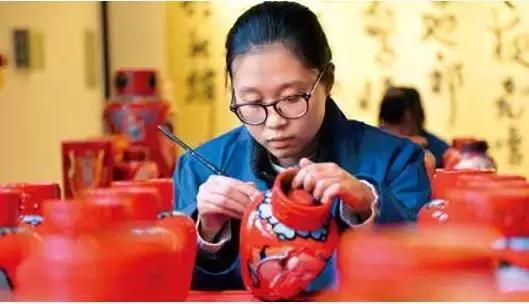
❤精雕细描工艺酒坛
古城绍兴出过千娇百媚的美人西施,同样出过“右手把剑左把酒”的鉴湖女侠秋瑾;绍兴有婉约柔情的越剧,同样也有高亢激越的绍剧,此外还有深受老百姓喜爱的曲艺——绍兴莲花落。这座城市总是把水与火、坚硬与柔软奇特地糅杂在一起,在不起眼的小巷里,在古老的水井边,有*物文**保护的石碑赫然立着,生活的随意性与历史的厚重感奇怪地交织在一起。
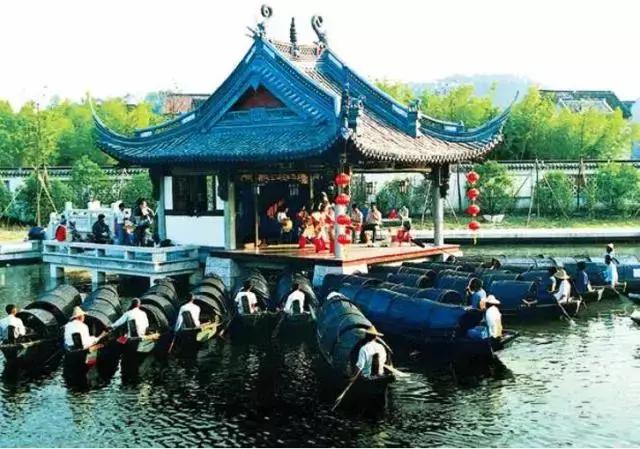
❤ 乌篷船上看社戏
绍兴人性格温和不张扬,但温和的背后也有其刚烈的一面。绍兴历史上出过许多文人雅士,如王羲之、张岱、陆游、徐渭等,但亦有许多刚烈之士,近百年来就出过徐锡麟、蔡元培、鲁迅、马寅初这些顶天立地的硬汉。
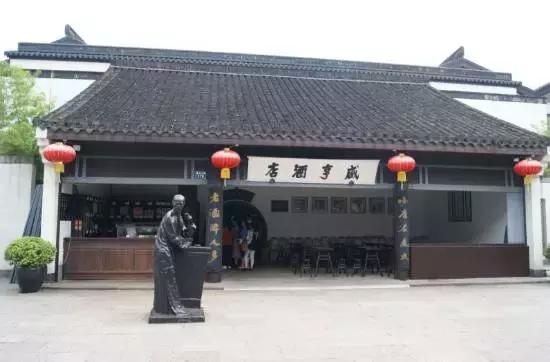
咸亨酒店在城中遍垆的酒乡绍兴极富代表性。当街的曲尺形柜台,柜上一字摆开的酒器,用以温酒的爨筒,以及供人坐喝的荸荠色的条桌长凳,均堪称清末绍兴酒店的典型风范,其酒菜、酒具,以至于酒客、酒风无不浓缩着绍兴酒文化的醇厚韵味。
千年的黄酒已然渗入了绍兴人的血液,绍兴酒酿成了古城的风骨,也将绍兴人骨子中的硬气推向了极致。
绍兴酒与绍兴戏
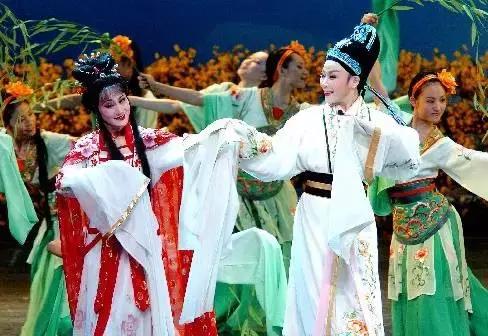
越剧是中国第二大剧种,长于抒情,唱腔委婉动听,表演真切动人,唯美典雅,极具江南灵秀之气;越剧发源于绍兴,长在江南城市,流行于海内外,已走过百年历史的越剧深受大众的喜爱。
在广大的江南农村,兼具古典与时尚艺术品质的越剧以其经典的传统剧目,紧密地传承于民俗生活中;而在不断更新的现代城市文化生活中,越剧的才子佳人故事则更多地吸引着都市年轻人的浪漫幻想。
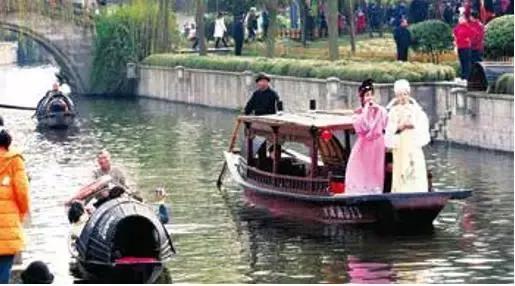
❤演员站立在乌篷船上唱越剧
越剧中表现酒的戏,特别是表现绍兴酒的戏很多。这里面有表现绍兴酒俗的场面和气氛,例如《祥林嫂》,不论电影《祝福》,还是由袁雪芬、金彩凤主演的越剧《祥林嫂》,都有不少表现绍兴过年祝福酒的场面。鲁家那种庄重肃穆、热闹又冷峻的气氛,令人兴奋,又让人恐惧,祥林嫂的厄运正是通过两次祝福的酒俗场景来表现的。
绍剧又名绍兴大班、绍兴乱弹,至今已有300多年的历史。绍剧唱腔以“二凡”为主,又有“三五七”、“阳路”等曲调。这些曲调大多高亢洪亮,激越丰满,粗犷朴素,气势宏伟,便于抒发豪情壮志,易于打动听众心灵,因此几百年来深受绍兴人喜爱。
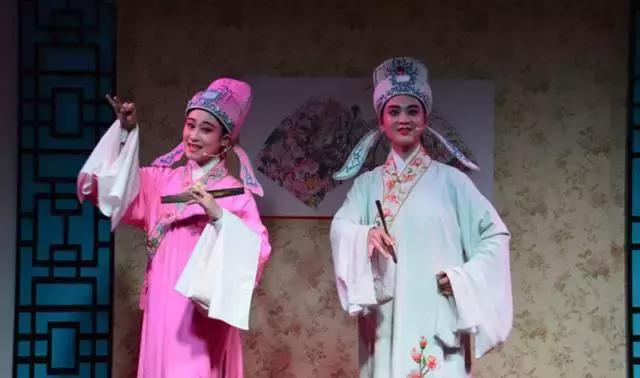 绍剧形成于酒都绍兴,唱腔又便于表达酒后的豪兴,因此酒给绍剧剧目、表演艺术增加了不少内容,绍剧也为绍兴酒起到了锦上添花的传播作用。这些剧目用绍剧曲调演唱,绍兴方言说白,又常用典型的绍兴人动作为表演手段,因此具有浓浓的绍兴乡土风情。
绍剧演员多数是喝酒的,而且不是一般地喝几盅,有几个甚至嗜酒如命,一喝就是几斤。过去没有麦克风等扩音设备,绍剧演出多在旷野搭台,需要极好极洪亮的嗓音。一般绍剧演员在演出前喝一点酒,演出时会达到比较好的状态。绍剧名角,号称“绍剧钢嗓”的陈鹤皋、被誉为“绍剧金嗓”的汪筱奎,就特别喜欢饮绍兴酒,喝酒后唱戏功夫特别佳,嗓子特别洪亮。
而对普通绍兴人来说,喝几口醇酽的绍兴黄酒,夹两筷浓香的干菜扣肉,哼上几句地道的“莲花落”,这才是老绍兴人有滋有味的生活。
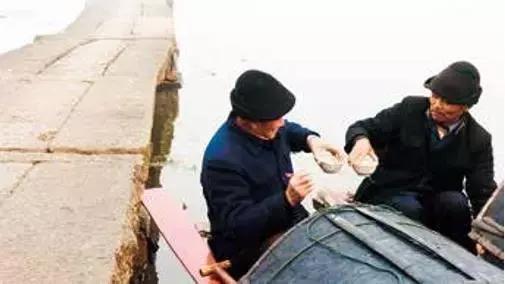
❤乌篷船上干一碗
绍兴的曲艺很多,但目前流传最广、最受人欢迎的是绍兴莲花落。尤其是著名曲艺表演家胡兆海(1976—1982年)参加全国曲艺调演,获得表演一等奖和创作一等奖后,绍兴莲花落声誉鹊起,传播迅速。
起于清末的绍兴莲花落为走唱形式的地方说唱文艺,故事内容多取于农村农民生活题材,有浓郁的地方乡土气息。加之用地方俗语,随口增步加逗,形式新鲜活泼,使人往往忍俊不禁。它常由一人说唱,似唱似说,唱说相间,十分灵活。有时也由一人主唱加两人帮唱组成。莲花落简便捷行,不需太多行头饰物,场地不拘大小,舞美可有可无,故可说是艺苑曲坛的轻骑兵。
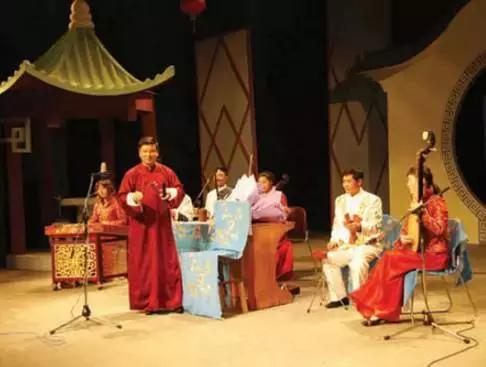 由于绍兴莲花落反映的是老百姓身边的事,反映酒的内容很多,写酒故事、酒人、酒典、酒趣,且常用夸张、排比等多种修辞手法,所以演唱气氛热烈,观众如置身其中,享受到绍兴酒的醉美与馥香。
从著名莲花落表演艺术家胡兆海的唱段中,人们也能领略绍兴酒与绍兴风情。
(引)酒、酒、酒……
(唱)稽山镜水古纤道,酒香飘飘沿村绕,村酒香甜鱼稻肥,丰年倍觉酒乡好。酒香飘过杏卖桥,将士临流饮投醪。曲水流觞集诗篇,鉴湖一曲桃花笑。红酥手,黄滕酒,沈氏园中情难抛。情难抛,举杯首赞同盟会,古轩亭口血染刀。酒香飘过跨湖桥,夕阳斜晖钟堰庙。社酒醺醺,锣鼓阵阵,万年台下人如潮,悲欢离合褒贬,付与众生一笑了。酌一杯“加饭”、“善酿”、“香雪酒”,升沉荣辱不计较;斟一壶“元红”、“女儿”、“竹叶青”,离家千里难忘故乡故里众父老。酒!酒!酒!
人生如戏,戏如人生,戏酒年华,风情绍兴。看戏人往往就是戏中人;而酒也是有哲理的,酿酒人、品酒人,又何必去分清楚?绍兴“三乌”展现别样风情
乌干菜、乌毡帽和乌篷船并称为绍兴“三乌”。乌者,绍兴话黑之谓也。这三件充分展现绍兴酒乡的别样风情。
作为绍兴人家常菜——乌干菜,又称霉干菜,因其色黑故称乌干菜,是绍兴人餐桌上的一道家常菜,几乎长年不断。
 乌干菜可烧汤、可入菜,常见的有四季豆炒乌干菜、长豇豆炒乌干菜、乌干菜蒸鳗鱼……鲜美可口又去腥。最著名的一道菜是霉干菜扣肉,也是一道绍兴特色菜,经与乌干菜同烹后,这五花肥肉油而不腻,香浓可口。据闻,绍兴饭店的乌干菜扣肉做得非常地道,为保证质量,这乌干菜也由他们自己制作。
从一方食材中也能看出一方风情。每年三四月份,绍兴人家家户户门口都会晒干菜,各人手艺不同,晒出的干菜也各具特色。有笋煮干菜、毛豆笋干菜、大白菜干、芥菜干等,各家有各家的秘制绝招。
在许多人的心目中,乌毡帽又是水乡绍兴人身份的象征。
造成这种现象与鲁迅作品的影响是分不开的。鲁迅在作品中多次写到绍兴人戴乌毡帽。他在《故乡》中描写闰土的形象时写道:“紫色的圆脸,头戴一顶小毡帽……”《阿Q正传》里:“阿Q正没有现钱,便用一顶乌毡帽做抵押……”可以说,鲁迅的作品使绍兴人戴乌毡帽的形象“走”向了全国乃至世界。
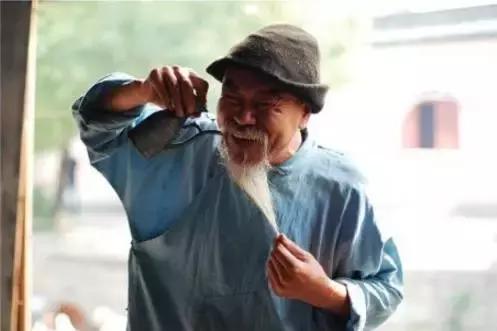 绍兴人戴乌毡帽历史悠久。乌毡帽,内外乌黑,圆顶,卷边,前段呈现畚斗形,牢固耐磨,厚实硬邦。这是一种奇特的帽子,一年四季可用。大雪纷飞时,可保暖御寒;春雨绵绵时,可当雨帽,回家时只要用手抛几下,帽子立马就干;烈日当头时,可以避光遮阳而不热。乌毡帽以厚薄均匀、手感松软、质地坚挺为上品。
现在,年轻的绍兴人戴乌毡帽的已不多,但许多中老年人对乌毡帽仍钟爱有加。绍兴农村社戏台下,可以看到许多戴乌毡帽的老人,黑压压的一片。年纪轻的戴乌毡帽往往戴出独特风情:头戴毡帽,身穿西装,十足一个“怪味豆”。
乌毡帽日益受到中外游客欢迎,已成为绍兴独特的旅游纪念品。许多外地人到绍兴总爱买一顶乌毡帽,嘻嘻哈哈地站在绍兴的人文景点前拍照留念。有的带回去送人,作为到绍兴一游的物证。
南宋大诗人陆游曾在《鹊桥仙》词中写道:“轻舟八尺,低篷三扇,占断苹洲烟雨。”词中“轻舟八尺,低篷三扇”指的就是绍兴的乌篷船。可见乌篷船至少有800年的历史了。
富有诗意的乌篷船有小型的,也有大船。大的可坐一二十人,是交通船,叫“埠船”。小的可载四五人。乌篷船两头尖翘,船身为木舟,船舱覆盖半圆形船篷若干扇,可自由移动。船篷用竹片编成,中夹竹箬,上涂桐油黑漆。大的船身较大,篷高可容人直立,舱宽可置放桌椅,供乘客打牌、饮宴,船尾装一两支橹,船工立着摇橹,既作航行的推动力,又控制航向。鲁迅小说《阿Q正传》中描绘举人老爷从城里载着家财到未庄赵府避难所用的船就是这种大乌篷船。
 现在游客在绍兴风景区所见的乌篷船则是小乌篷船,船身丈余,靠脚躅桨行进,航向则用手划桨(或夹在腋下当舵使用)来把握的,故绍兴人又称之为“脚划船”。船行进时,船工坐在后艄,一手握着挟在腋下的划楫,两脚踏在躅桨的尾部,这样两脚一伸一缩,躅桨便一上一下地击水推进。鲁迅在《好的故事》一文中写道:“我仿佛记得曾坐小船经过山阴道……”这小船指的就是小乌篷船。由于船体小,船身轻,河江小一些,浅一些,也畅通无阻,用起来十分方便。这种小船真如一叶扁舟,你坐在船上可以拍打船外的河水,坐在这种船里仿佛是置身在水面上。
最有意思的当数坐乌篷船、品老酒、看社戏了。坐在轻轻荡漾的乌篷船上,剥剥茴香豆,喝喝绍兴酒,听高亢激越的绍兴大班,或一出委婉锦秀的越剧,你可联想到许多:水的温柔、酒的热情、绍剧的激昂和越剧的婉约,看似风格迥异,却又和谐共存。
“白玉长堤路,乌篷小画船”,“水如空,桥如虹,一叶扁舟烟雨中”,“烟雨溟朦泛鉴湖,乌篷碎玉语非虚”……这是古今诗人文豪对乌篷船的溢美之词。坐着水乡特有的乌篷船,行进在碧波荡漾的湖面,你才能真正了解江南绍兴的水之秀、水之清、水之灵、水之魂,你才能真正解读水乡的风情。

Shaoxing: City of Charms
Shaoxing, a city of history and culture, is in eastern Zhejiang. It is a city of bridges, wine, opera, a full range of people written into Chinese history.

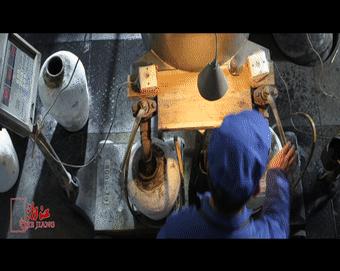
❤A view at a winery in Shaoxing
For many, Shaoxing is a city of sharp contrasts, as can be seen in its historical characters. Local heroes can be viewed in different ways. Most famous scholars of grace from Shaoxing are probably calligrapher and essayist Wang Xizhi, essayist Zhang Dai, poet Lu You, artist and poet Xu Wei. And most radical in their confrontation with the world and in their bids to make a difference in China are probably revolutionary Xu Xilin, educator Cai Yuanpei, writer Lu Xun and demographer Ma Yinchu. And there are more legendary people. All these people of the past are memorable chapters in the history of the city that goes back to more than 2,000 years ago.
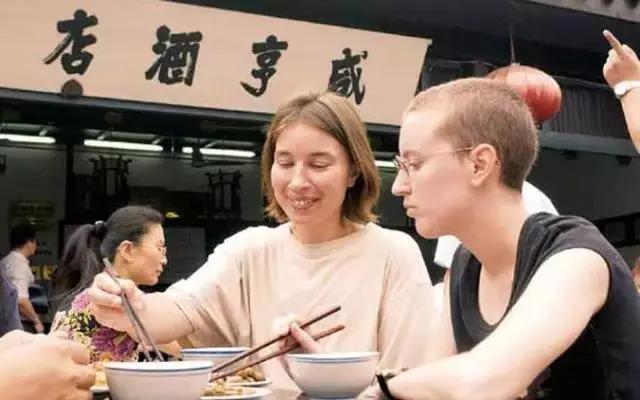
❤Sampling the local taste at Xianheng Restaurant in Shaoxing
Shaoxing views itself in contrast, as can be appreciated by its big crowd of theatergoers. The city boasts two quite different opera genres. Shaoju Opera remains largely regional and presents a music style that is loud, high-pitched and sonorous. In sharp contrast with its local counterpart, Yueju Opera is musically melodious, soft, and romantic. It now enjoys national and international renown.
Shaoju Opera has a history of more than 300 years. Its tunes are loud, sonorous and high-pitched. The local audiences have been in love with it for centuries. And if the legend is true, most Shaoju Opera artists of the past, at least those who are in the hall of fame of the genre, had a passion for Shaoxing Wine, a local brew that has enjoyed for many centuries a low-profile but enduring fame as a low-alcohol beverage. Some needed to drink a cup or two before they made their appearance on the stage. Some drunk even a kilo before a play started. They needed to drink, as a village theater usually had no roof and only a strong voice, helped by alcohol, could easily get across to villagers standing far out in the back.
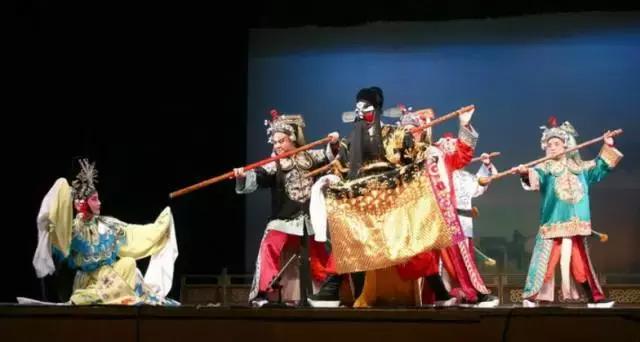
The 300-year-old Shaoju Opera is passionately loved by local residents not just because of the legends of these performers. Its stories are interwoven with the wine people drink themselves, spoken with the dialect and vocabulary local audiences use, and performed with gestures and postures that are dear to local theatergoers.
Yueju Opera is another mythic contrast Shaoxing produces and loves. It is probably everything Shaoju Opera is not. It is relatively new. It was born about 100 years ago and it took shape and thrived in Shanghai. Its music is melodious, soft, and romantic. And nearly all the performers are women. If there were a hall of fame for the opera, all those who get admitted into it would surely be women.
Yueju Opera has long since grown into the country’s second largest opera genre as Peking Opera enjoys its unchallengeable top honor spot. And it can be believed that Yueju Opera is loved by the same audiences who love the loud, high-pitched, and sonorous music of Shaoju Opera. Of course, Yueju Opera has long since spread far and wide. It is loved for its beauty, grace, elegance, poetry, music, romance, local legends, cultural legacy, tradition, the finest qualities proudly attributed to the characteristics of Shaoxing. And from the very beginning, the artists from the rural region knew how to appeal to the urbanites in cosmopolitan Shanghai and other cities in the region. This is another contrast buried deep in the operatic phenomenon.
Strangely enough, the repertoire of Yueju Opera also has dramas in which wine plays a pivotal role. Sister Xianglin, a Yueju Opera play adapted from the namesake short story penned by Shaoxing native Lu Xun, has a scene that presents how wine is appreciated in the tradition of Chinese Spring Festival. The tragedy of the woman is fully depicted in two sacrificial ceremonies, made special by wine.
Lotus Flower Fall, a ballad singing form of Shaoxing, is passionately loved because its subjects cover local topics, and because tunes are easy to remember and narratives are easy to pick up by the audience and sing to entertain themselves. Sipping wine and humming capriciously and willfully an aria of Lotus Flower Fall heard days ago or years ago is a way of life and entertainment for many locals.
Just like the operas which are popular entertainment for commoners as well as for the noble and the rich, many other physical characteristics of Shaoxing are largely about ordinary people. Black felt hats used to be seen everywhere in winter days in Shaoxing. The hat wearers were ordinary people who labored to make a living: boat rowers, farmers, wine makers. And the black-awning boats, large and small, were the only effective public transit means in the good old days before highways and wide streets appeared and rivers vanished. Dehydrated vegetable is another great tradition of Shaoxing. Not strangely, what’s locally known as black and dried vegetable is also local people’s favorite.
Though the city has produced great writers, poets, artists and their names and their works go in a grand style into national history and literature, Shaoxing is a city of ordinary people. The greatest hallmarks of its everyday life, tradition and glory are about its people: operas, ballad singing, wine, black-awning boats, and dried vegetables that look dubiously black but offer memorable gourmet experience.